MimeCure has secured a €3 million investement for the development of a regenerative medicine to treat chronic lung diseases such as pulmonary fibrosis. The funding will enable MimeCure to accelerate the completion of the preclinical phase and begin preparations for clinical trials, which are scheduled to start in late 2027. The investment round is led by Addington Investment Group and supported by co-investor Apsara Investments.
MimeCure is a UG spin-off and an initiative of Dr Luke van der Koog (CEO), Prof. Anika Nagelkerke, Prof. Reinoud Gosens, and Prof. Erik Frijlink (Director).
MimeCure focuses on the development of a regenerative medicine for chronic lung diseases such as pulmonary fibrosis. It is estimated that around 2.5 million people suffer from this disease. A further half a million people die from the disease every year. Severe shortness of breath, fatigue, and limited exercise capacity lead to a significantly reduced quality of life. The average life expectancy after diagnosis is three to five years.
Existing medicines can slow the progression of the disease, but cannot repair the damaged lung tissue. MimeCure is developing a fundamentally new therapeutic approach that specifically targets the repair of damaged lung tissue, rather than merely inhibiting further damage.
The medicine is based on MC002, an active fragment of the body’s own protein mimecan, and initially targets pulmonary fibrosis, an incurable lung condition in which healthy lung tissue is irreversibly replaced by scar tissue. The medicine is administered via inhalation, ensuring the active ingredient is delivered directly to the right place in the lungs. The therapy reduces scarring and activates the natural repair capacity of lung tissue.
Thanks to this combined action, MimeCure is positioning itself at the forefront of regenerative pulmonary medicine, and the therapy has the potential to become a first-in-class treatment for chronic lung diseases, including COPD.
COPD is the third leading cause of death worldwide, and currently there are no therapies available for this disease that repair damaged lung tissue.
Luke van der Koog, CEO and founder of MimeCure: ‘This step will enable us to advance MC002 towards clinical trials and generate the first clinical evidence. At the same time, we see this as an important step in the development of a broader regenerative approach to fibrotic diseases. Drug development is a long-term process in which caution is essential, but this clearly brings us one step closer to new treatment options for patients.’
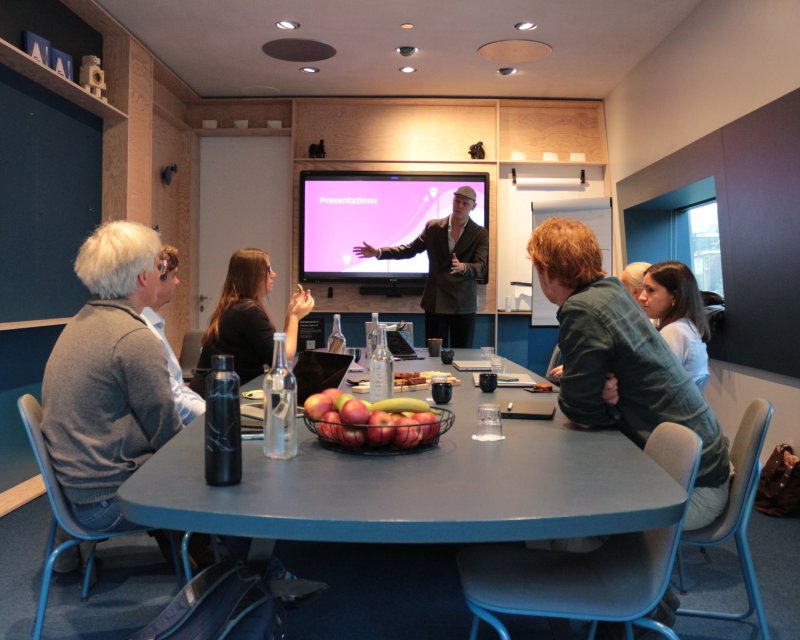
Last week, the participants enthusiastically kicked off this inspiring programme. Over the next six months, they will be working on validating their market, strengthening their team and developing an integrated venture roadmap.
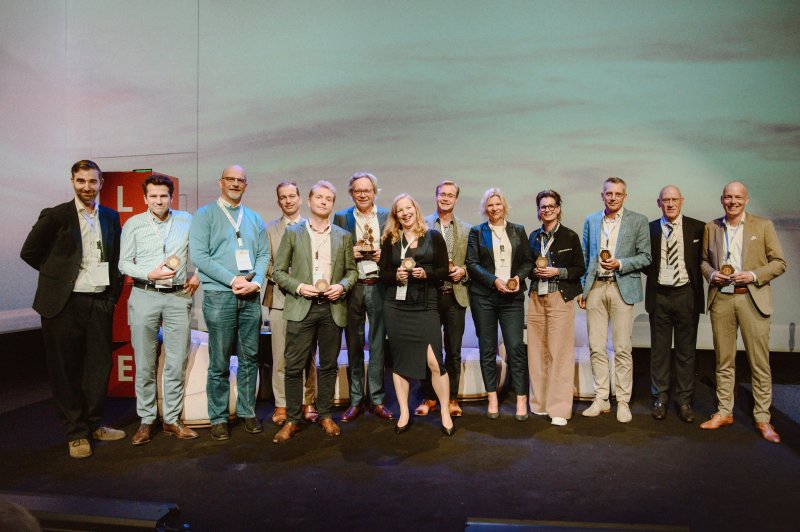
For many years, founders, board members and members have dedicated their time, expertise and energy to strengthening the LIFE Cooperative and the Life Sciences & Health ecosystem in the Northern Netherlands.
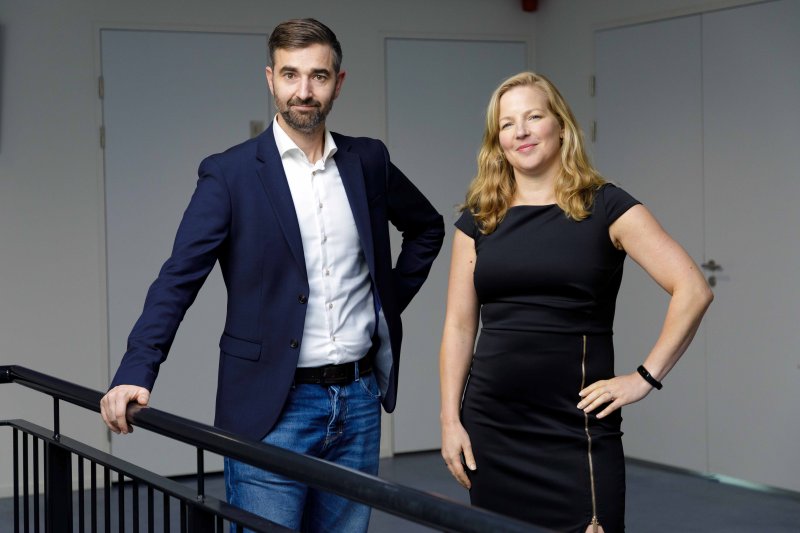
That is the firm belief at LIFE Cooperative. The annual conference, which this time featured Peter Wennink as one of the speakers, recently celebrated its fifth edition. The LIFE Science Innovation Award was presented, and the companies and guests in attendance can look back on an inspiring evening. This reflects the ambition of LIFE Cooperative, which was set up over 10 years ago to connect people and is now continuing to build the conditions necessary for growth.