What if a surgeon could tell within five minutes whether a tumour has been completely removed? That is exactly what LIFE Cooperative member SPCTR is working on. In the Groninger Ondernemers Courant, the SPCTR team talks about their groundbreaking technology, which will allow surgeons to see within five minutes whether a tumour has been completely removed.
Read the full article below.
The Groningen-based start-up SPCTR is developing a device that can determine within five minutes whether a tumour has been completely removed. This represents a revolution in the world of oncology, as the device could prevent many repeat operations and courses of chemotherapy or radiotherapy in the future.
At present, the process works as follows: after a tumour has been removed, the tissue is sent to the pathologist, who checks whether the tumour has been completely removed. However, this examination takes five to seven days. And if it turns out that the tumour has not been properly removed, a repeat operation or chemoradiotherapy is required.
‘There must be a better way,’ thought co-founder Wido Heeman, who had heard about this issue from many colleagues at the hospital. He has a background in biomedical technology and had previously developed a device that uses laser technology to measure blood flow during bowel surgery. This was the subject of his PhD thesis.
Heeman found a suitable business partner in econometrician Rowan Timmermans. Timmermans has extensive knowledge of programming and AI, expertise that proved invaluable for the device. Together, they founded SPCTR in March 2025. They now have six employees and three interns, and offices in Utrecht and Groningen. They collaborate with the UMCG, Martini Hospital and UMC Utrecht.
SPCTR stands for spectral cancer tissue recognition. How exactly does it work? “When removing tumours, doctors apply a margin of around 2 millimetres. This means that there must be at least 2 millimetres of healthy tissue surrounding the tumour.” This is normally analysed by a pathologist in a laboratory, a process that takes several days.
The SPCTR device can do this much more quickly. It is a fairly small device that can be placed in the operating theatre. Once the tumour has been removed from the body, the surgeon can scan it to check whether the 2-millimetre margin around it has been achieved. This is displayed in real time on a screen. All of this is done using light and AI: the AI interprets the cells and assesses the size of the margin of healthy cells. Within five minutes, whilst still in the operating theatre, the results are clear.
Not only does this spare patients the anxiety of waiting days on end for their results, it also offers a solution to the staff shortage. “There is a massive shortage of specialists in the healthcare sector. And specialists are needed again for any re-operation or chemoradiotherapy.”
SPCTR is currently focusing specifically on breast cancer patients. If they have to return for chemoradiotherapy, they face yet another problem on top of their other concerns regarding the operation: “The cosmetic outcome deteriorates significantly following a reoperation or radiotherapy.” The group in question is substantial: “In the US and the EU, there are more than 600,000 breast cancer operations a year. On average, 11 per cent of patients have to return. A massive problem.”
The device is currently still in the testing phase. A clinical trial involving the device is underway at the Martini Hospital and UMC Utrecht. The trial is expected to be completed in September, and the device could obtain the necessary certification by 2028. In the future, Heeman and Timmermans hope to see it used widely, not only for breast cancer patients but also for other cancer patients. “We hope that every operating room will have an SCPTR device.”
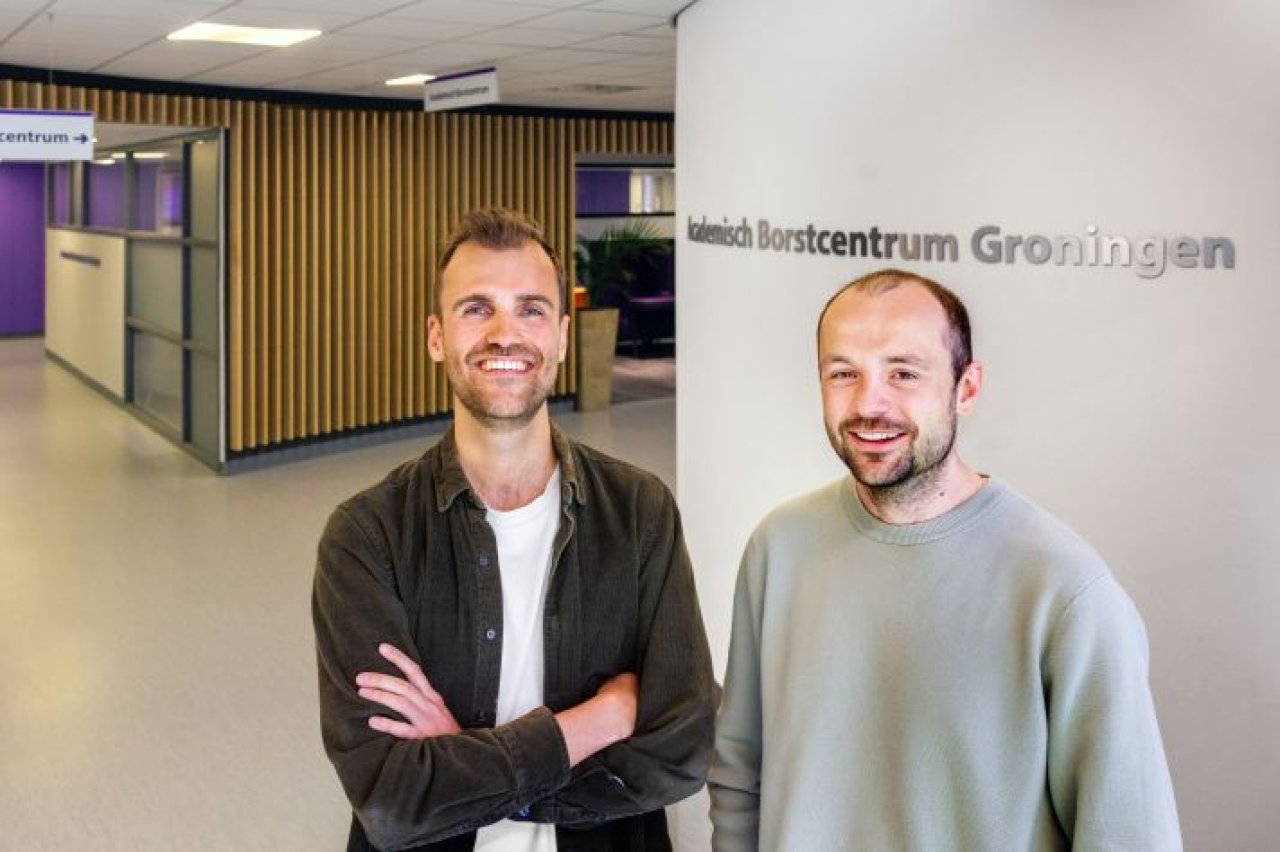
Source: Groningen Ondernemers Courant
Photo: Jan Buwalda
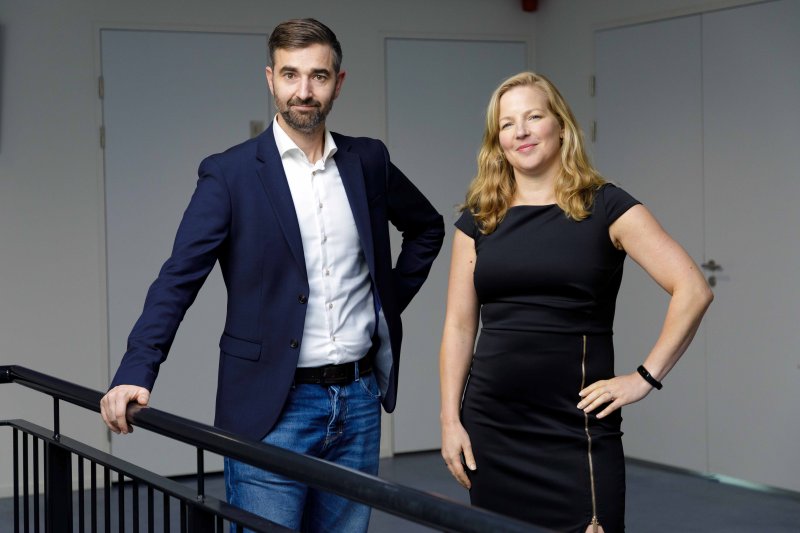
That is the firm belief at LIFE Cooperative. The annual conference, which this time featured Peter Wennink as one of the speakers, recently celebrated its fifth edition. The LIFE Science Innovation Award was presented, and the companies and guests in attendance can look back on an inspiring evening. This reflects the ambition of LIFE Cooperative, which was set up over 10 years ago to connect people and is now continuing to build the conditions necessary for growth.
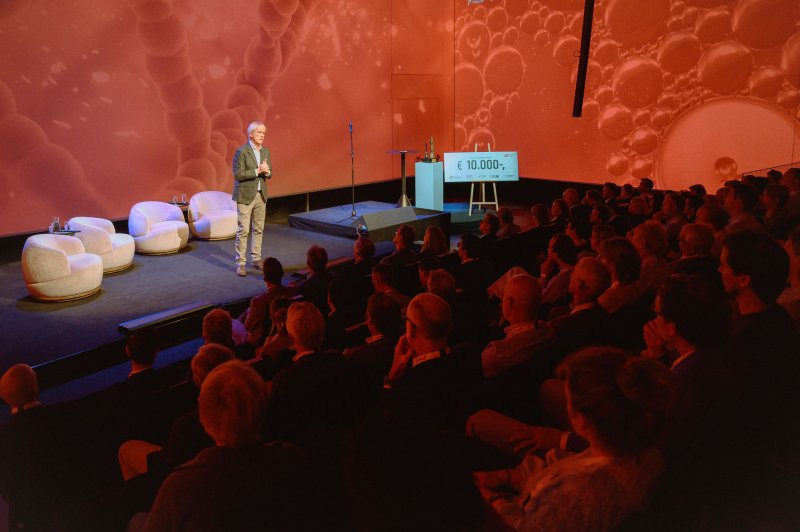
“We do not need to be the best at everything. The question is where we are strong, where we can excel, and how we can ensure that knowledge and innovation actually lead to companies, products and international business.” This message from former ASML CEO Peter Wennink was a key theme of the fifth edition of the LIFE Science Conference, held on Tuesday 22 September at Forum Groningen. With his keynote, Wennink also echoed the findings of his national advisory report The Route to Future Prosperity, in which he calls for strengthening the Netherlands’ capacity to generate economic value.
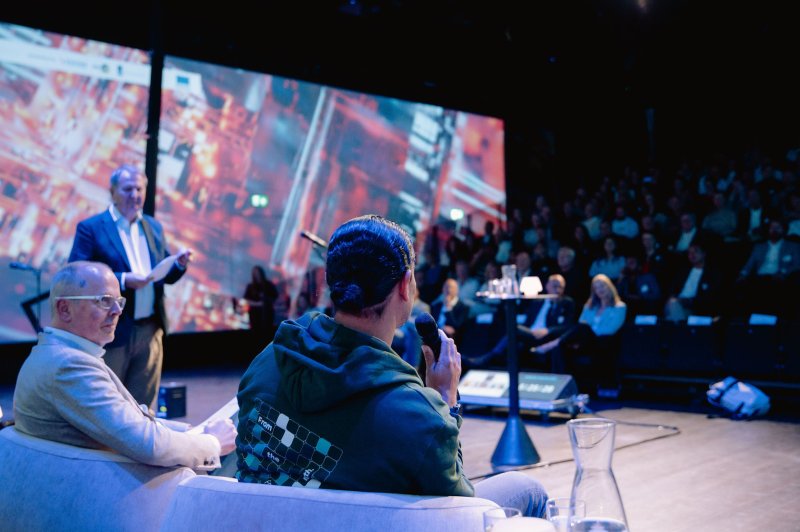
Voor startups in Life Sciences & Health sector is een sterk netwerk minstens zo belangrijk als een goed idee. Toegang tot kapitaal, talent en markten kan het verschil maken tussen een veelbelovende innovatie en een technologie die daadwerkelijk de markt bereikt. Precies daarom sponsort Future Tech Ventures (FTV) dit jaar de LIFE Science Conference op 22 september. Voor het investeringsfonds is de conferentie een belangrijke plek om zichtbaar te zijn binnen het Life Sciences & Health-ecosysteem én om de bedrijven in zijn portefeuille verder te helpen.