Northern Netherlands takes an important step toward a cleaner environment and a healthier living environment with the official launch of the project “Northern Netherlands Leading the Way in Reducing Pharmaceutical Residues in Water.” A broad consortium of SMEs, knowledge institutions, healthcare organizations, and government bodies will work closely together for three years on concrete, scalable solutions. The grant decision has now been received and is provided from the European Regional Development Fund (ERDF) via the Northern Netherlands Partnership (SNN), together with co-financing from the provinces of Drenthe, Groningen, and Friesland and the municipalities of Assen, Leeuwarden, and Groningen. The total project budget amounts to €2.34 million, half of which is subsidized by SNN.
Pharmaceutical residues in groundwater and surface water pose a growing problem. Due to population ageing and the rise in chronic conditions, medication use is expected to increase significantly in the coming years. This creates an increasing threat to environmental and human health, particularly in Northern Netherlands as one of the most rapidly ageing regions. What makes this project unique is that parties from the water technology sector, the Life Science & Health sector, and the healthcare sector jointly work with SMEs to develop innovative solutions.
Under the leadership of lead partner TCNN, these domains are brought together, resulting in a powerful acceleration of both knowledge development and the actual implementation of innovative solutions.
Under the guidance of work package leaders Water Alliance, LIFE Cooperative, CEW, and UMCG, the partners focus on elaborating existing problem areas. For each problem area, SMEs will be sought that can provide solutions across four interconnected pillars:
• Advanced water treatment: development and application of new technologies to effectively remove pharmaceutical residues from water.
• More sustainable medicines and administration: innovation in pharmaceutical products and delivery methods that reduce environmental impact.
• Improved prescribing behaviour and medication adherence: awareness-raising and training to prevent unnecessary medication use.
• Active knowledge sharing: intensive collaboration, communication, and dissemination of best practices within the region and beyond.
During the kick-off, participants emphasised the shared ambitions they aim to achieve:
• A structural connection between the water, pharmaceutical, and healthcare sectors
• Measurable reduction in medication use through more conscious prescribing
• Sustainability as an integral and self-evident part of medication use and policy
In addition to these societal benefits, the project aims to create 75 new jobs and to provide targeted support to at least 30 companies. The developed solutions can also be applied nationally and internationally. This integrated approach positions Northern Netherlands as a national and international frontrunner in tackling pharmaceutical residues in water.
The project is a collaboration between: TCNN (lead partner), LIFE Cooperative, Wilhelmina Ziekenhuis Assen, Martini Ziekenhuis, Isala Ziekenhuis, University of Groningen, UMCG, Frisius MC, Water Alliance, Centre of Expertise Watertechnology (CEW), Wetterskip Fryslân, Waterschap Noorderzijlvest, Province of Groningen, Province of Drenthe, Province of Fryslân, SNN, and Medicijnresten uit Water Noord-Nederland.
Together, we are building a healthy, sustainable, and economically strong Northern Netherlands.
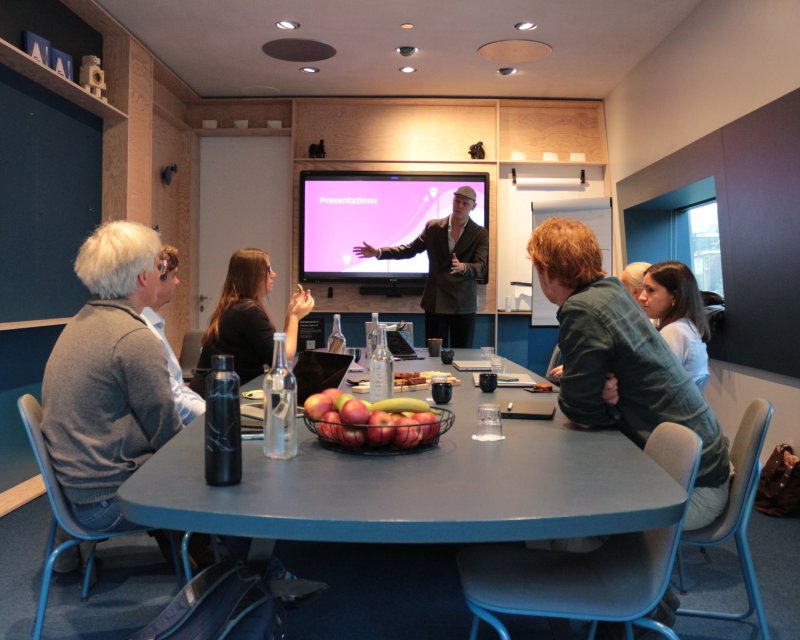
Last week, the participants enthusiastically kicked off this inspiring programme. Over the next six months, they will be working on validating their market, strengthening their team and developing an integrated venture roadmap.
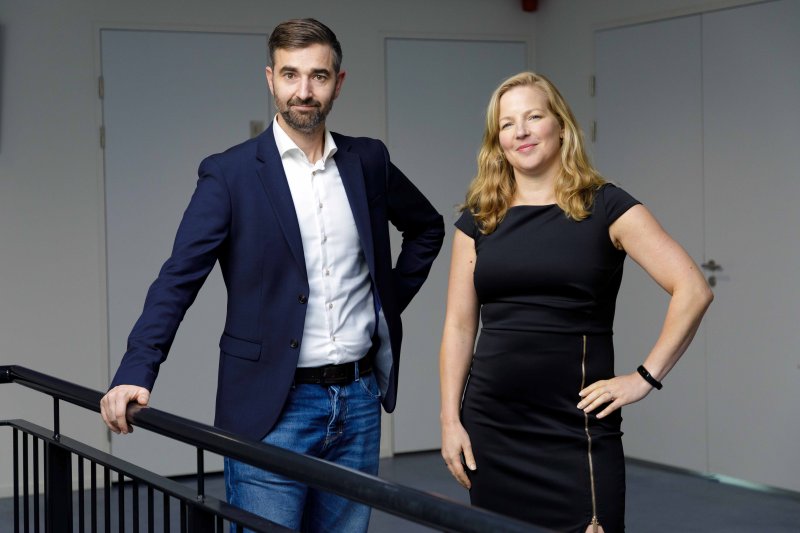
For many years, founders, board members and members have dedicated their time, expertise and energy to strengthening the LIFE Cooperative and the Life Sciences & Health ecosystem in the Northern Netherlands.
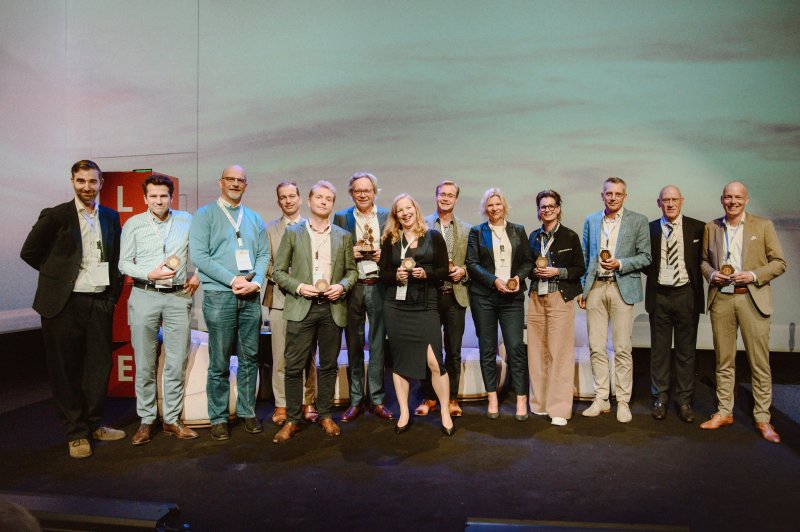
That is the firm belief at LIFE Cooperative. The annual conference, which this time featured Peter Wennink as one of the speakers, recently celebrated its fifth edition. The LIFE Science Innovation Award was presented, and the companies and guests in attendance can look back on an inspiring evening. This reflects the ambition of LIFE Cooperative, which was set up over 10 years ago to connect people and is now continuing to build the conditions necessary for growth.