Turning plans into results: that is the central focus of the fifth LIFE Science Conference, taking place on Tuesday, 22 September 2026 at Forum Groningen. The LIFE Cooperative will bring together professionals, entrepreneurs, researchers and policymakers from the life sciences and health sector around one key question: how do we translate vision into concrete impact? The keynote speaker will be Peter Wennink, former CEO of ASML and one of the most influential leaders in the Dutch technology sector. In 2025, he presented his advisory report ‘The Road to Future Prosperity’, in which he advocates targeted investments in innovation to strengthen the Netherlands’ long-term earning capacity.
Ronald Hesse, Director of the LIFE Cooperative: “With this five-year milestone, the LIFE Cooperative marks an important step in strengthening the life sciences and health sector in the Northern Netherlands. This year, we focus on a key shift in our sector: from vision to execution, from policy to economic growth. Plans and reports, such as our Industry Agenda, are essential, but they only create impact when we put them into action. Over the past ten years, we have demonstrated that collaboration works. Now it is time to scale that impact.”
Peter Ketelaar, Chair of the LIFE Cooperative, adds: “We are very pleased to welcome Peter Wennink as keynote speaker at this anniversary conference. Economic impact will be a central theme, closely aligned with the key message of his report.”
The LIFE Science Conference has grown into the leading meeting point for professionals from life sciences, health, medtech, government and academia. The event showcases regional strengths and stimulates new collaborations, with the aim of further strengthening the Northern Netherlands as an innovative health region.
As of today (4 May 2026), registration for the fifth edition of the LIFE Science Conference is open via www.lifescienceconference.nl.
The day begins with an invitation-only morning programme in a smaller setting, focused on the LIFE Cooperative’s Industry Agenda. In the afternoon, the Municipality of Groningen will officially open the plenary programme, followed by the keynote by entrepreneur and government adviser, Peter Wennink.
One of the highlights is the LIFE Science Innovation Award, recognising groundbreaking initiatives within the sector. The award (€10,000) is open to companies, knowledge institutions and projects originating in the Northern Netherlands. Nominations can be submitted by individuals or on behalf of others.
12:00 – 13:00 | Registration & lunch
13:00 – 14:30 | Opening & keynote by Peter Wennink, including panel discussion on moving from policy to economic growth
14:30 – 15:45 | Innovation Award ceremony
16:00 – 17:00 | Closing & networking reception
The conference is organised in collaboration with Health~Holland, the Municipality of Groningen, the Municipality of Assen, NV NOM and Bedrijvenvereniging WEST, and is co-financed by the European Union, SNN and other partners.
The LIFE Cooperative is the Northern Netherlands partnership for life sciences and medical technology. It aims to strengthen regional innovation by fostering effective collaboration. The cooperative represents more than 60 companies — from startups and SMEs to international players — accounting for 4,750 FTE and a combined turnover of over €500 million. More information: www.lifecooperative.nl
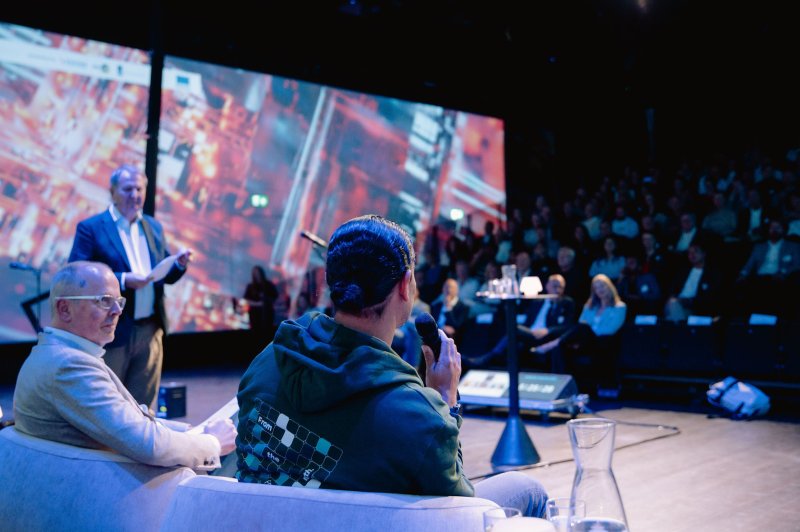
Voor startups in Life Sciences & Health sector is een sterk netwerk minstens zo belangrijk als een goed idee. Toegang tot kapitaal, talent en markten kan het verschil maken tussen een veelbelovende innovatie en een technologie die daadwerkelijk de markt bereikt. Precies daarom sponsort Future Tech Ventures (FTV) dit jaar de LIFE Science Conference op 22 september. Voor het investeringsfonds is de conferentie een belangrijke plek om zichtbaar te zijn binnen het Life Sciences & Health-ecosysteem én om de bedrijven in zijn portefeuille verder te helpen.
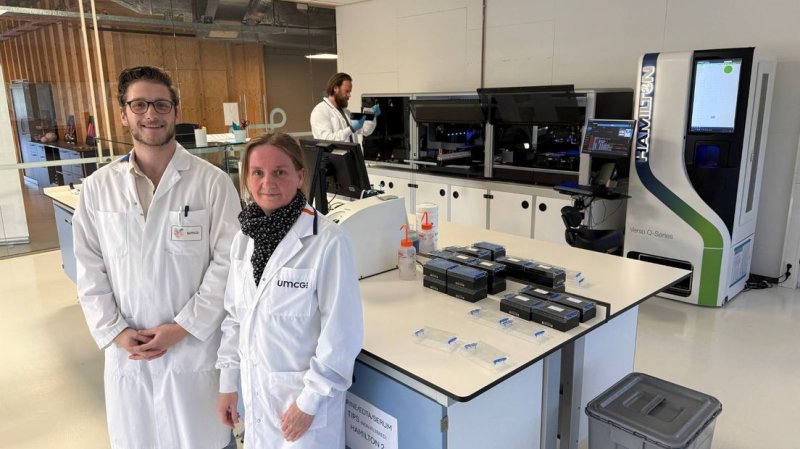
The large-scale Lifelines population study is inviting new participants for the first time in twenty years. The study is seeking around 16,000 relatives of existing participants. This expansion has been made possible by a grant from the National Programma Groningen (NPG).
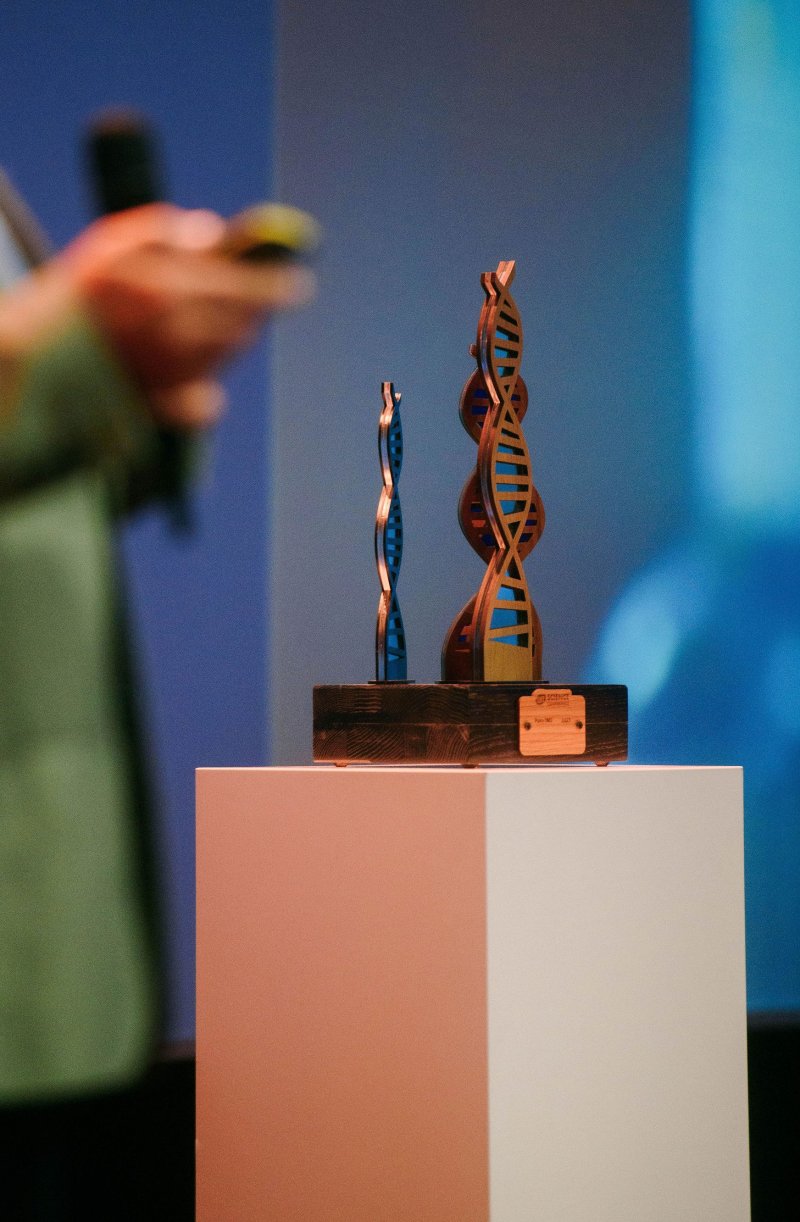
Who is developing the most impactful innovation in Life Sciences & Health in the Northern Netherlands? Five companies are in the running for the LIFE Science Innovation Award 2026: Flux Robotics, Limosa Immunodiagnostics, SPCTR, MimeCure and GlycanScan International. The nominees will present their innovations on Tuesday 22 September during the fifth edition of the LIFE Science Conference in Groningen. An independent jury will select the winner, who will receive a €10,000 cash prize.