We are proud that the LIFE Cooperative is featured in the latest edition of the Groninger Ondernemers Courant. Ronald Hesse (LIFE Cooperative) and Maarten Eisema (UMCG) were interviewed for this article to provide some examples of why collaboration between businesses and research institutions is so important. Read the full article here:
In the North, and in Groningen in particular, there are dozens of companies working on innovations in the fields of life sciences and health. There are many hidden gems among them, says Ronald Hesse, director of the LIFE Cooperative partnership. “Millions of patients worldwide have already benefited from innovations developed here in Groningen,” he says.
LIFE Cooperative is a cooperative association comprising more than sixty start-ups, scale-ups, innovative SMEs and international players in the life sciences and health sectors. There is close collaboration with knowledge institutions such as the University Medical Centre Groningen and the University of Groningen, where many member companies have their origins. The aim is clear: to strengthen the life sciences & health ecosystem in the Northern Netherlands through collaboration, talent development and the realisation of new innovations. This can be read in the latest edition of the print edition of the Groninger Ondernemers Courant.
Groningen’s polymer chemistry as an international force
According to Hesse, Groningen stands out in areas such as high-quality polymer technology. To illustrate this, he points to the medical technology company Polyganics. Using biomedical polymers, the company has developed a brain patch which, following surgery, prevents fluid leakage in the brain and also dissolves naturally within the body.
Innocore also works with biodegradable polymers. The company is developing technology that enables medicines to be released into the body in a controlled manner over a longer period, up to twelve months. Hesse sums it up: “High-quality polymer chemistry is one of the things we excel at in Groningen. We must nurture and build on that.”
To raise the profile of these and other economic gems, LIFE Cooperative drew up an industry agenda. This agenda highlights the region’s strengths and where the opportunities for growth lie. The aim is to attract partners and investors and to accelerate new collaborations, investments and economic growth. “We need to show what we have to offer here.”
From innovation to practical application
Throughout the entire development process leading to clinical application, collaboration with the UMCG Innovation Centre is crucial. After all, medical innovations must not only function technically, but also be clinically validated. Hesse cites the XVIVO organ perfusion pump, developed in Groningen, as an example. This is a device that keeps livers, kidneys and other human organs in good condition and prepares them for transplantation. “Ultimately, such an invention must be tested and applied in practice, on real organs,” says Hesse. “Thanks to the UMCG, that can be done here in Groningen.”
The UMCG Innovation Centre plays a connecting role in this. It brings together companies, researchers and healthcare professionals and helps to test, validate and implement innovations in clinical practice. Maarten Eisema, Head of Strategic Relations at the UMCG Innovation Centre: “We ensure that innovations, people and organisations find each other. In this way, we bridge the gap between research, entrepreneurship and patient care.”
Physical collaboration at the Healthy Ageing Campus
The close collaboration between LIFE Cooperative and the UMCG will soon take physical shape. At the Healthy Ageing Campus, on Oostersingel in Groningen, both organisations will soon be based in an easily accessible, redeveloped listed building.
The Innovation Centre will establish its office there, and a number of companies from the LIFE Cooperative network will also move in. As proximity further strengthens the collaboration, existing and new innovations will find their way to patients and residents more quickly.
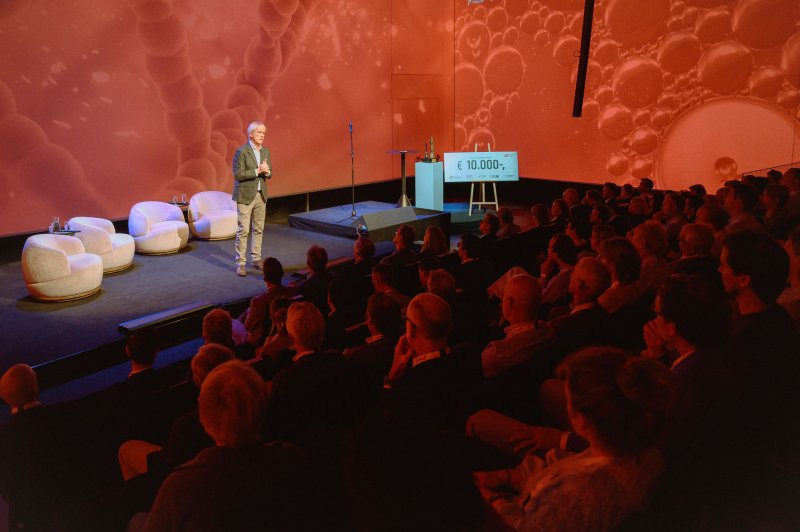
“We do not need to be the best at everything. The question is where we are strong, where we can excel, and how we can ensure that knowledge and innovation actually lead to companies, products and international business.” This message from former ASML CEO Peter Wennink was a key theme of the fifth edition of the LIFE Science Conference, held on Tuesday 22 September at Forum Groningen. With his keynote, Wennink also echoed the findings of his national advisory report The Route to Future Prosperity, in which he calls for strengthening the Netherlands’ capacity to generate economic value.
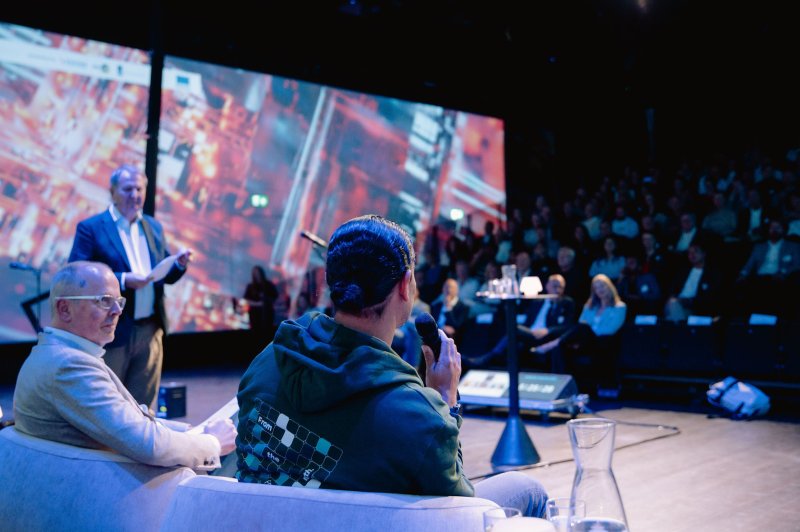
Voor startups in Life Sciences & Health sector is een sterk netwerk minstens zo belangrijk als een goed idee. Toegang tot kapitaal, talent en markten kan het verschil maken tussen een veelbelovende innovatie en een technologie die daadwerkelijk de markt bereikt. Precies daarom sponsort Future Tech Ventures (FTV) dit jaar de LIFE Science Conference op 22 september. Voor het investeringsfonds is de conferentie een belangrijke plek om zichtbaar te zijn binnen het Life Sciences & Health-ecosysteem én om de bedrijven in zijn portefeuille verder te helpen.
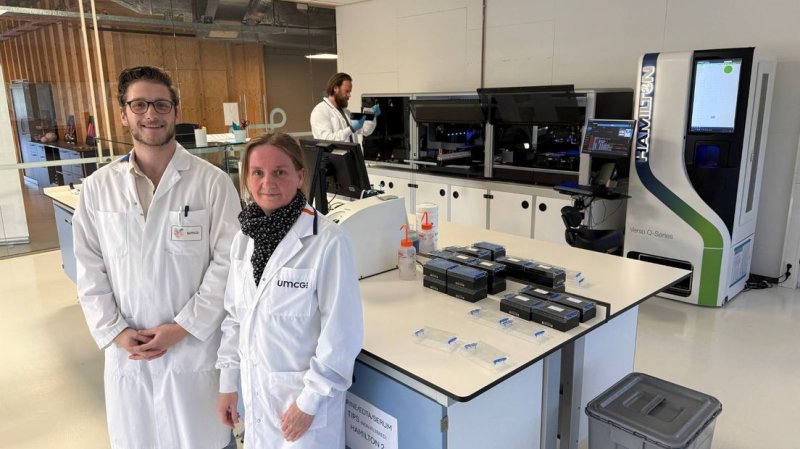
The large-scale Lifelines population study is inviting new participants for the first time in twenty years. The study is seeking around 16,000 relatives of existing participants. This expansion has been made possible by a grant from the National Programma Groningen (NPG).