Discover what is going on in the network of the LIFE Cooperative. Find here updates about members, the ecosystem en important announcements.
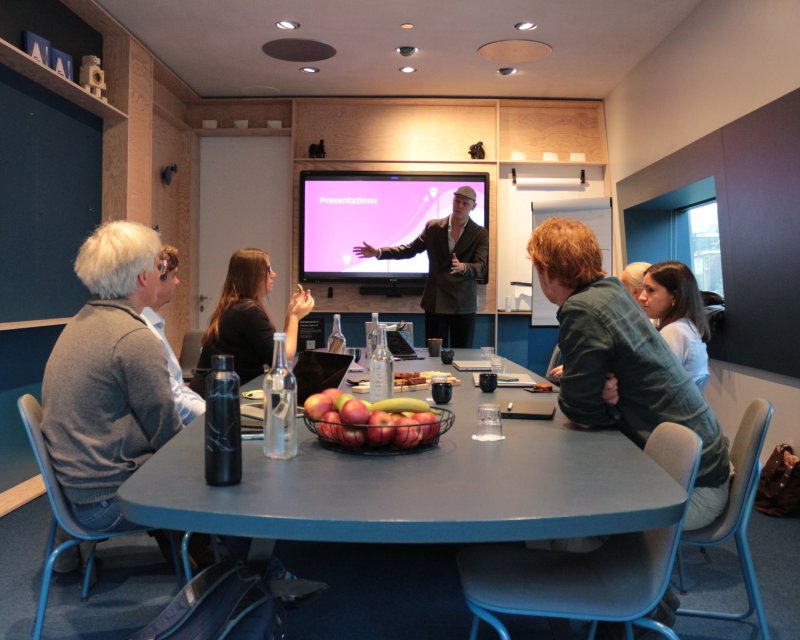
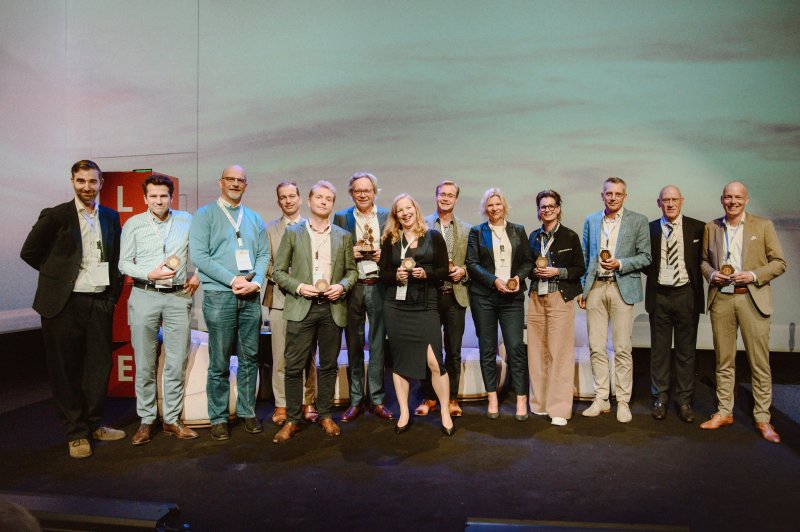
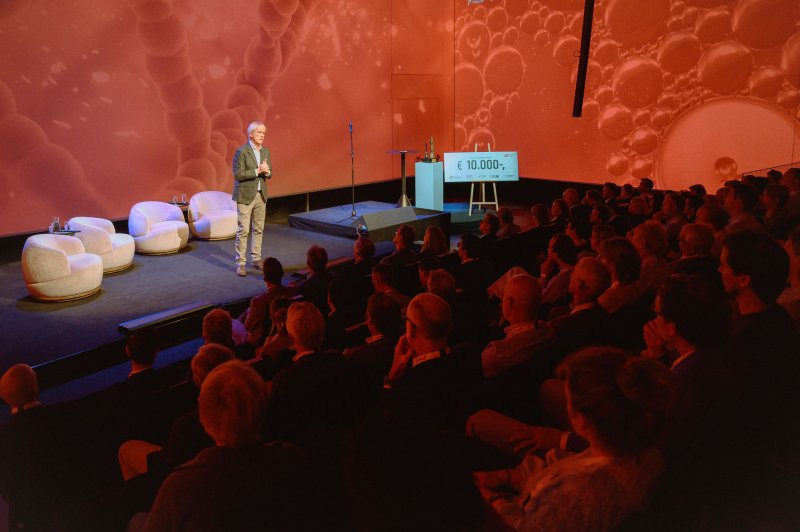
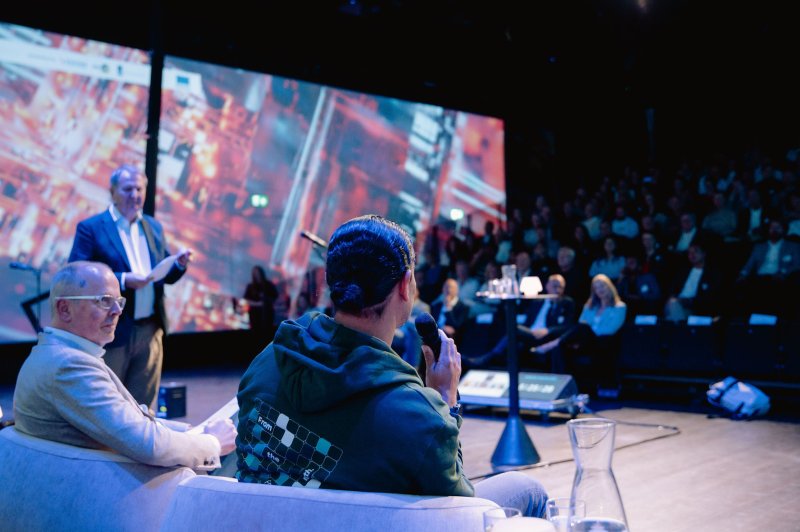
A full house, sharp discussions, and an afternoon in which science and industry visibly strengthened one another. The Dutch Medicines Winter Afternoon demonstrated that Groningen is not only a strong geographical spot, but also a substantive force within the Dutch life sciences landscape. The event, organized by FIGON (Federation for Innovative Drug Research Netherlands) in collaboration with LIFE Cooperative, brought professionals from across the Netherlands to the north. Researchers, entrepreneurs, developers, and clinical experts gathered around one shared ambition: to bring innovative medicines to patients faster, smarter, and better.Klaas Poelstra, Chair of FIGON, looks back positively on the event: “It was great to see local businesses in the health sector and leading academic scientists engaging in conversation with one another. They have so much to gain from each other.“From what to how What became particularly clear during the Dutch Medicines Winter Afternoon was how rapidly the field of drug development is evolving, and how essential collaboration has become. At a time when therapies are increasingly targeted, complex, and costly, the focus is shifting from only what we develop to how we do so: more intelligently, more sustainably, and better aligned with patient needs. This broader context was already reflected in the opening remarks by Klaas Poelstra, who emphasized the importance of continued innovation for the Netherlands’ competitive position and patient care. On behalf of the LIFE Cooperative, Robert Hof highlighted that regional collaboration is a decisive factor: by bringing science, entrepreneurship, and clinical practice closer together, real acceleration can be achieved. The first substantive contributions made it clear that innovation today is not only about new molecules, but also about new delivery methods. Rob Steendam demonstrated how long-acting microspheres can improve treatment adherence and reduce patient burden. Jaap Wieling showed how inhalation technology is evolving into a platform for both local and systemic therapies. Through her research on polyelectrolyte coacervates, Marleen Kamperman placed these innovations within a fundamental scientific framework. After the break, the discussion shifted to clinical translation and advanced nanomedicines. Flávia Sousa illustrated how polymer-based nanomedicines contribute to targeted brain delivery. Ad Roffel underscored the importance of robust pharmacokinetic studies in an era where the demands for evidence continue to increase. Erik Frijlink reflected on innovation within both existing and new delivery systems, while Helder Santos outlined the potential of RNA delivery via nanotechnology for cardiac tissue repair.More than a program During the closing networking reception, it became clear what participants had gained from the afternoon. As Robert Hof, Board Member of the LIFE Cooperative, put it: “The FIGON Winter Afternoon was an excellent event with distinguished speakers and strong engagement. We look forward to the next edition and extend our sincere thanks to Klaas Poelstra and FIGON for hosting the event in the Northern Netherlands.” The common thread throughout the afternoon was therefore unmistakable: the future of medicines does not lie within a single discipline, but in the connections between them. In a time of increasing healthcare pressure, rapid technological advancement, and international competition, such collaboration is not a luxury—it is a necessity. The Dutch Medicines Winter Afternoon showed that this collaboration is firmly rooted in the Northern Netherlands and that Groningen is positioning itself emphatically as a breeding ground and accelerator for innovative drug development.
Innovation in medicines takes center stage on Thursday, 26 February during the Dutch Medicines Winter Afternoon, an inspiring event organized by FIGON (Federation for Innovative Drug Research Netherlands) in collaboration with the LIFE Cooperative.
A unique collaboration for an urgent problem Pharmaceutical residues in groundwater and surface water pose a growing problem. Due to population ageing and the rise in chronic conditions, medication use is expected to increase significantly in the coming years. This creates an increasing threat to environmental and human health, particularly in Northern Netherlands as one of the most rapidly ageing regions. What makes this project unique is that parties from the water technology sector, the Life Science & Health sector, and the healthcare sector jointly work with SMEs to develop innovative solutions. Under the leadership of lead partner TCNN, these domains are brought together, resulting in a powerful acceleration of both knowledge development and the actual implementation of innovative solutions.Project objectives Under the guidance of work package leaders Water Alliance, LIFE Cooperative, CEW, and UMCG, the partners focus on elaborating existing problem areas. For each problem area, SMEs will be sought that can provide solutions across four interconnected pillars: • Advanced water treatment: development and application of new technologies to effectively remove pharmaceutical residues from water. • More sustainable medicines and administration: innovation in pharmaceutical products and delivery methods that reduce environmental impact. • Improved prescribing behaviour and medication adherence: awareness-raising and training to prevent unnecessary medication use. • Active knowledge sharing: intensive collaboration, communication, and dissemination of best practices within the region and beyond.Impact after three years During the kick-off, participants emphasised the shared ambitions they aim to achieve: • A structural connection between the water, pharmaceutical, and healthcare sectors• Measurable reduction in medication use through more conscious prescribing• Sustainability as an integral and self-evident part of medication use and policy In addition to these societal benefits, the project aims to create 75 new jobs and to provide targeted support to at least 30 companies. The developed solutions can also be applied nationally and internationally. This integrated approach positions Northern Netherlands as a national and international frontrunner in tackling pharmaceutical residues in water.Partners The project is a collaboration between: TCNN (lead partner), LIFE Cooperative, Wilhelmina Ziekenhuis Assen, Martini Ziekenhuis, Isala Ziekenhuis, University of Groningen, UMCG, Frisius MC, Water Alliance, Centre of Expertise Watertechnology (CEW), Wetterskip Fryslân, Waterschap Noorderzijlvest, Province of Groningen, Province of Drenthe, Province of Fryslân, SNN, and Medicijnresten uit Water Noord-Nederland. Together, we are building a healthy, sustainable, and economically strong Northern Netherlands.
With the launch of LIFE Capital, the Northern Netherlands gains a powerful collaboration platform that brings together companies, talent, and knowledge institutions in the fast-growing Life Sciences & Health sector. During a special launch dinner on Tuesday, November 25 at LIFE Cooperative member Polyvation on the Groningen Campus, not only was the new brand unveiled, but an ambitious vision for the future was also presented. LIFE Capital, formerly LIFE Academy, marks the next phase of the LIFE Cooperative: shifting from a focus on training alone to a broadly supported collaboration platform for human capital. “With LIFE Capital we are taking the next step in strengthening our sector,” says Melloney Dröge, board member of the LIFE Cooperative. “We are bringing companies, talent, and knowledge together into one ecosystem where growth, learning, and innovation go hand in hand. We are aiming for a joint approach to the human capital challenges of our sector. In this way, we are building a region where you can truly move forward for a lifetime, literally and figuratively.”From LIFE Academy to LIFE Capital The transition from LIFE Academy to LIFE Capital is more than a name change. The new brand reflects the organization’s growth and its ambition to look beyond training alone. LIFE Capital will become the linchpin of human capital in the Life Sciences & Health sector: it connects talent, companies, and knowledge, accelerates collaboration, and strengthens the position of the Northern Netherlands as a breeding ground for innovation and talent. A long and healthy life: that is ultimately what Life Sciences & Health is all about. Thanks to innovations from companies in this sector, diseases are detected sooner, treated more effectively, and sometimes even prevented. From breakthrough therapies to keeping healthcare affordable and accessible, the business community acts as the engine behind life-changing progress. LIFE Capital aims to strengthen that foundation by investing in people, knowledge, and collaboration. “LIFE Capital helps companies move forward, but also strengthens the image and visibility of our sector,” says Sven Stielstra, Manager of LIFE Capital. “In this way, we show what Life Sciences & Health truly stands for and make the sector attractive to new talent and innovative companies. Over the next ten years, we will attract €50 million for human capital. In this first year alone, we have already realized €6.6 million through regional and national funds.”Looking ahead: recruitment campaign and pilots in 2026 Today, the day after the launch dinner, LIFE Capital’s recruitment campaign begins. This campaign focuses on attracting participants for the first pilot modules, which will start in spring 2026. These modules were developed thanks to an intensive and unique collaboration between Hanze, UMCG, and various companies within the sector. By combining knowledge and practical experience, top-notch programmes have been created that will be tested in the coming period. After the pilot phase, the modules will be further developed and made more widely available later in 2026 to everyone in the Northern Netherlands who wishes to contribute to a strong Life Sciences & Health ecosystem.About LIFE Capital LIFE Capital is the collaboration platform of the LIFE Cooperative, a network of more than 60 companies in the Life Sciences & Health sector. The platform connects organisations around shared human capital challenges and develops solutions that attract, develop, and retain talent. What started ten years ago as separate initiatives within the cooperative has grown into a strategic programme in which companies, knowledge institutions, and governments work together on a structural basis. With activities ranging from joint training and HR networks to new educational programmes and labour market research, LIFE Capital works towards one goal: a strong, agile region in which talent in life sciences & health can continue to grow with the right skills. Move people forward.About LIFE Cooperative The LIFE Cooperative stimulates innovation in the life sciences by facilitating collaboration between entrepreneurs, researchers, and investors. Through various programmes and events, LIFE promotes the development of technologies that improve health and well-being. The cooperative represents more than 60 companies in the Northern Netherlands, ranging from ambitious startups and innovative SMEs to international players. Together, they represent approximately 5,000 FTEs and a turnover of €500 million.
Accelerating Sustainability in Healthcare Paulina Snijders, member of the UMCG Executive Board, and Bart Volkers, director of the Circular Groningen Drenthe Association (VCGD), opened the executive network meeting. They emphasized the importance of cooperation between all partners. Artist Maria Koijck delivered an inspiring keynote on visualizing hospital waste. UMCG Chief Green Officer Schelto Kruijff outlined opportunities to accelerate sustainability in healthcare, sharing inspiring examples such as the use of a washable, reusable insulation gown. Project leaders Sven Jurgens and Femke van der Zant described how the consortium has significantly developed in recent times.Various Work Packages The executives exchanged extensive experience and knowledge, and the Care2Change work package leaders presented posters. The work packages focus on areas such as redesigning single-use healthcare products and mapping the CO₂ emissions of products. Sven Jurgens said: “Care2Change is the starting point for continued collaboration on making healthcare more sustainable. How valuable it would be if, through this collaboration, we could provide a blueprint for others to inspire them to go green as well.”Northern Netherlands as an Example Hanneke Bouwsema, secretary to the special government representative for the circular economy at the Ministry of Infrastructure and Water Management, emphasized the importance of starting small and recognizing the sustainable initiatives that are already working well. She described the Northern Netherlands as a “role model” for The Hague when it comes to making healthcare more sustainable.About the Care2Change Consortium Care2Change is a collaboration between UMCG, University of Groningen, Martini Hospital, Sterinoord, GS1/EAN Netherlands, Boikon, Ommelander Hospital, Treant, Frisius MC, NHL Stenden, Hanze University of Applied Sciences, Circular Friesland Association, LIFE Cooperative, Circular Groningen Drenthe Association, Green Chemistry Drenthe Business Network (SUSPACC), Milieuplatform Zorg, Nij Smellinghe, Pezy Product Design, 8D Games, House of Design, Antonius Hospital, NOM, Menzis, De Friesland, Ecoras, BBENG, the provinces of Groningen and Drenthe, and the municipalities of Groningen, Assen, Leeuwarden and Emmen. The project is partly funded by SNN’s ERDF resources, with co-financing from the participating organizations.More Information Want to know more about Care2Change and the consortium? Read: UMCG trots op nieuwe samenwerking die uitstoot terugdringt: Care2change Source article: Care2Change
Recently, the LIFE Cooperative, together with the University Medical Center Groningen (UMCG), has been working hard on submitting projects to PharmaNL.
From 2026 onwards, SpringBoard, the industry association for medical technology, will continue as part of LIFE Cooperative. This is a logical step, as both organizations pursue the same goals for their members. With this integration, the knowledge, experience, and network of SpringBoard will become part of LIFE Cooperative — the cooperative of more than 60 Northern Dutch Life Science companies. This marks an important step toward strengthening and further growing the Life Science & Health sector in the Northern Netherlands. “We complement each other perfectly and are even stronger together. By joining forces in this way, we increase the effectiveness of the solutions developed to contribute to sustainable healthcare. In doing so, we create economic opportunities for our members!”— Ronald Hesse, Director of LIFE CooperativeJoint ambition Since its founding in 2014, LIFE Cooperative has worked closely and enthusiastically with SpringBoard. On behalf of SpringBoard, Jan Thalens has played an important role in this collaboration by contributing to the further development of the cooperative as a member of LIFE Cooperative’s board. In 2025, SpringBoard decided it was time for the next step. LIFE Cooperative shares this ambition and will further expand its activities in the field of Enabling Technologies & Medical Devices starting in 2026. “Together, we are creating new opportunities for our members and strengthening the ecosystem around medical technology,” says Jan Thalens, board member of SpringBoard.About LIFE Cooperative LIFE Cooperative promotes innovation in the life sciences by facilitating collaboration between entrepreneurs, researchers, and investors. Through various programs and events, LIFE fosters the development of technologies that improve health and well-being. The cooperative represents more than 60 companies in the Northern Netherlands — from ambitious startups and innovative SMEs to international players. Together, they account for approximately 5,000 FTEs and a turnover of €500 million.About SpringBoard SpringBoard is an independent industry association for medical technology, founded in 2008 as an initiative by former employees of Cordis Roden. The network has grown to about 65 members and promotes innovation and knowledge sharing, supports entrepreneurs, and assists in setting up new companies. SpringBoard has contributed to the creation of seven new companies and around 100 jobs. Through workshops, networking events, and an open innovation platform, SpringBoard strengthens the MedTech sector and the development of human capital in the Northern Netherlands.
A highlight of the conference was the presentation of two royal honors (Officer in the Order of Orange-Nassau) by Groningen Mayor Roelien Kamminga to two former board members of the LIFE Cooperative, Ton Vries and Johannes Wolters. They received this recognition for their exceptional contributions to the organization and to science. "We look back with great pride on this special edition. The royal honors for our former board members Ton Vries and Johannes Wolters are a well-deserved recognition of two careers marked by dedication and entrepreneurship in the Life Science, Health & MedTech sector in Northern Netherlands. Thanks to their vision and commitment, the LIFE Cooperative stands strong today, and we continue to build on the solid foundation they laid," said Peter Ketelaar, board member of the LIFE Cooperative. Conference HighlightsThe conference featured a rich program, including a presentation of the LIFE Cooperative’s Industry Agenda in development. Inspiring keynotes were delivered by international scientists such as Prof. Jochen Mierau (UMCG, Lifelines) and Annelies de Lange (VIG, Association of Innovative Medicines), who shared new insights on sustainable innovations in health and care. The four companies nominated for the Innovation Award (MemoryLab, QT Sense, Sabiad, and CC Diagnostics) delivered their pitches in a thrilling finale. CC Diagnostics from Groningen emerged as the winner, receiving the €7,500 prize from Linda Dijkshoorn, board member of the LIFE Cooperative. About the LIFE CooperativeThe LIFE Cooperative promotes innovation in the life sciences by facilitating collaboration between entrepreneurs, researchers, and investors. Through various programs and events, LIFE supports the development of technologies that improve health and well-being. The cooperative represents over 60 companies, ranging from ambitious startups and innovative SMEs to international players. Together, they employ over 4,750 FTEs and generate €500 million in revenue. The LIFE Science Conference is an initiative of the LIFE Cooperative and is made possible by the municipalities of Groningen and Assen, Health~Holland, NV NOM, the WEST Business Association, and various other partners and sponsors.
Peter Ketelaar, Chair of the LIFE Cooperative Board: “We are incredibly proud of Johannes and Ton. Their dedication has truly shaped the Life Sciences, Health & MedTech sector, not only in the Northern Netherlands. Their commitment, expertise, and entrepreneurship have strengthened our cooperative and had a major societal and economic impact—both nationally and internationally!” Johannes Wolters: connector and inspirerFor most of his career, Johannes Wolters has been committed to advancing the Life Sciences, Health & MedTech sector in the Northern Netherlands, with a strong focus on societal and economic impact. From 2000 until his retirement earlier this year, he was the sole owner of Lode Holding—a more than 75-year-old company that flourished under his leadership. With subsidiaries Lode, ProCare, aXtion, Umaco, and Omnium, the group annually produces hundreds of medical devices and software solutions that contribute to health and rehabilitation worldwide. Almost every Olympic athlete improves their performance with equipment from Lode Holding. Johannes initiated the Wenckebach project and other large-scale collaborative initiatives, invested millions in innovative medical ideas for diverse target groups, and helped establish numerous spin-offs. His work has directly supported thousands of patients every day. Until recently, he was active in regional initiatives such as SSIG (Sport Science & Innovation Groningen), the LIFE Cooperative (as co-founder), and the Campus Trail, while also mentoring young entrepreneurs and startups. The next generation has since taken over the family business. Annelies Wolters, CEO of Lode Holding and daughter of Johannes: “My father has always dedicated himself to society and the well-being of others. Whether it’s medical innovation, supporting vulnerable groups, or inspiring young people in technology and science, his efforts have always been driven by responsibility, vision, and a deep sense of community.” Ton Vries: international innovation from GroningenFor more than 35 years, Ton Vries has been a driving force in the Life Sciences & Health sector. From 2000 to 2020, he served as CEO of Syncom BV, which under his leadership grew into a successful spin-off of the University of Groningen. In 2017, he co-initiated the merger of Syncom and Mercachem, creating Symeres, a leading European contract research organization with over 600 employees worldwide. Ton is the inventor of the Dutch Resolution, a method for efficiently separating chiral compounds. This breakthrough resulted in patents, publications, licensing agreements with DSM, and four PhD theses—solidifying the Netherlands’ international leadership in pharmaceutical crystallization technology and green chemistry. He is also co-founder and CEO of BioBTX, a Groningen-based company with global impact that gives plastic waste a second life. Using its proprietary technology, residual waste streams are converted into valuable, circular building blocks for the chemical industry. The company is now preparing to build the world’s first circular aromatics plant in Delfzijl. Ton co-founded the LIFE Cooperative, guided young entrepreneurs, and realized numerous groundbreaking projects. Personally, he is known for his no-nonsense attitude, boundless energy, and popularity among colleagues. Robert Hof, former colleague at Symeres and LIFE Cooperative board member: “Ton is a true go-getter. When Syncom ran into trouble in 2008, he brought in new investors and rebuilt the company into the great success that Symeres is today. Ton is no-nonsense, not one for status or pretense. He doesn’t wear a suit—not even when Prime Minister Rutte or Queen Máxima visits. His company car? For years it was a 15-year-old Opel Astra, shared with the neighbor. With Ton, it’s always what you see is what you get. That directness and authenticity make him so beloved.” Short CV’s Career and Impact – Johannes Wolters Roles & Organizations 1985: Joined Lode as Controller 1992: Conducted a management buyout with a partner from the then-American owners of Lode 2000: Became 100% owner and CEO of Lode; shortly after, founded additional companies and Lode Holding as the parent company. Between 2000–2025, led multiple acquisitions and participated in various ventures 2023: Next generation joins the company, solidifying Lode Holding as a family business 2025: Retired on May 1, passing leadership to daughter Annelies (CEO) and son Freek (CFO) 2014–2024: Co-founder & board member of LIFE Cooperative Impact & Innovation Produced over 1,000 medical devices, benefiting millions of patients worldwide Projects spanning rehabilitation, sports, ADL equipment, prehabilitation & perioperative care Co-initiated the Campus Trail running event with Campus Groningen (since 2017) Sponsored scientific research and involved in initiatives such as Girls’ Day and student excursions Societal Engagement Mentored young entrepreneurs (>40 start-ups/year) Volunteer at SSIG (Sport Science & Innovation Groningen), ~12 hours/week Advisor and board member for RVO, Smitfonds, and juror in entrepreneurship competitions Career and Impact – Ton Vries Roles & Organizations 2000–2020: CEO of Syncom BV, growing the company from 30 to over 100 employees 2017: Merged Syncom and Mercachem to create Symeres, now with over 600 employees worldwide Co-initiator of InnoLab Chemie, Cliq Swiss Tech, and BioBTX 2014–2024: Co-founder & Chair of LIFE Cooperative 2014–present: Board member of Campus Groningen Current: Board member of PharmaNL Innovation & Science PhD in Organic Chemistry, 1996, University of Groningen under Professor Hans Wijnberg Inventor of the Dutch Resolution method for separating chiral compounds Patents, publications (e.g., Angewandte Chemie), DSM licensing, 4 PhDs supervised Impact: more efficient and sustainable pharmaceutical production, strengthening Dutch expertise in pharmaceutical crystallization technology Societal Engagement Mentor and coach to young entrepreneurs and colleagues Delivered notable projects within LIFE Cooperative Personal reputation: no-nonsense, energetic, determined, highly respected by peers Athletic: maintains daily long-distance running