Tromgeroffel! De finalisten voor de derde editie van de LIFE Science Innovation Award zijn bekend. Met veel trots kondigt de LIFE Cooperative de drie finalisten aan: Enatom, Neolook Solutions en Ivy Medical. Op dinsdag 24 september 2024 zullen deze drie startups hun innovaties pitchen tijdens de LIFE Science Conference met dit jaar als thema: Data Science for Life Science. Deze conferentie wordt jaarlijks georganiseerd door de LIFE Cooperative en haar partners, waarvan de Innovation Award een belangrijk onderdeel is. De award wordt uitgereikt aan de innovatie met de meeste impact op het gebied van life sciences & health, met een oorsprong in Noord-Nederland. De jury zal op 24 september in het Forum Groningen bepalen wie van de drie finalisten de prijs in ontvangst mag nemen.
Uit een tiental aanmeldingen zijn de innovaties van Ivy Medical, Enatom en Neolook uitgekozen.
Ivy Medical transformeert infuustherapie met hun toonaangevende technologie. Met oog voor de uitdagingen van beperkte mobiliteit bij patiënten en de hoge werkdruk van verpleegkundigen, is de Ivy Duo+ ontwikkeld, een next-generation infuussysteem. Deze draagbare infuuspomp maakt klinische infuustherapie mogelijk vanuit een rugzak of schoudertas, vermindert het aantal alarmen door o.a. automatische ontluchting en automatiseert tijdrovende workflows.
Ivy’s missie luidt: meer stappen voor patiënten, minder sprintjes voor verpleegkundigen. Ivy zet zich in om hun gebruikers optimaal te ondersteunen met de beste technologie en vergroot daarmee de vrijheid en efficiëntie voor zowel patiënten als zorgverleners.
De zorg voor vroeggeboren en kwetsbare kinderen in ziekenhuizen is intensief. Een extra paar ogen en oren op afstand helpt ouders, verpleegkundigen en artsen om optimale zorg te bieden. Neolook ontwikkelt hiervoor de ‘Neolook One’, een geavanceerd camerasysteem met sensoren voor beweging, geluid en licht. Dit systeem maakt live consultatie op afstand mogelijk en stuurt livestreams bij alarmsignalen door naar monitors en zorgtelefoons. Zo houden artsen en verpleegkundigen altijd zicht op hun kwetsbare patiënten, waar ze zich ook bevinden. 
Enatom specialiseert zich in hoogwaardige 3D-visualisatietechnieken op het gebied van menselijke anatomie. Hiermee wil de startup de kloof tussen theorie en praktijk overbruggen en leeropbrengsten vergroten. De intuïtieve webapp van Enatom geeft een zeer realistisch beeld van digitale anatomie en biedt een uitzonderlijke leerervaring die altijd en overal toegankelijk is, zowel op computers, tablets als VR/AR brillen.
De LIFE Science Conference en Innovation Award worden mede mogelijk gemaakt door NV NOM, Health Holland, Bedrijvenvereniging WEST, gemeente Groningen, en de LIFE Cooperative.
Aanmelden LIFE Science Conference kan nog via https://8raz4ur.momice.events/
Fotograaf: Jan Buwalda
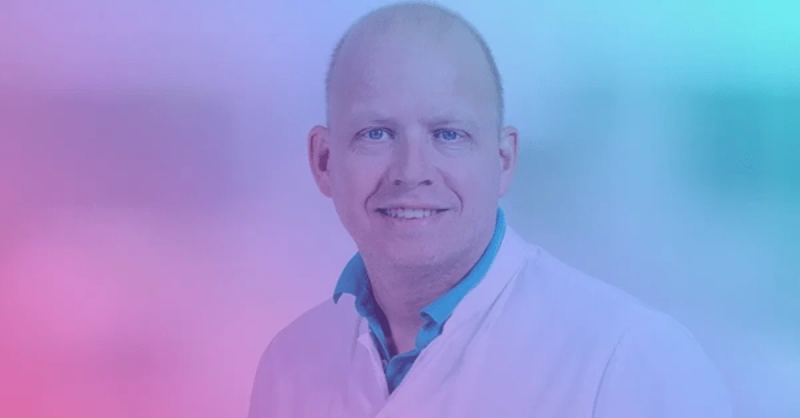
Moleculaire beeldvorming speelt een steeds belangrijkere rol in de ontwikkeling van geneesmiddelen. Door zichtbaar te maken waar een geneesmiddel in het lichaam terechtkomt, of het zijn doelwit bereikt en welke biologische respons het veroorzaakt, kan al in een vroege fase waardevolle informatie worden verkregen. Een nieuw toegekend project binnen de Shared Development Infrastructure-programmalijn van PharmaNL wil deze mogelijkheden verder versterken. Met IMAGING4DRUGS bouwt prof. dr. Rudolf Fehrmann van het UMCG, samen met partners, aan een geïntegreerde infrastructuur voor moleculaire beeldvorming die toegankelijk is voor academische en private partijen. Het project wordt uitgevoerd met steun van PharmaNL en mogelijk gemaakt door ZonMw.
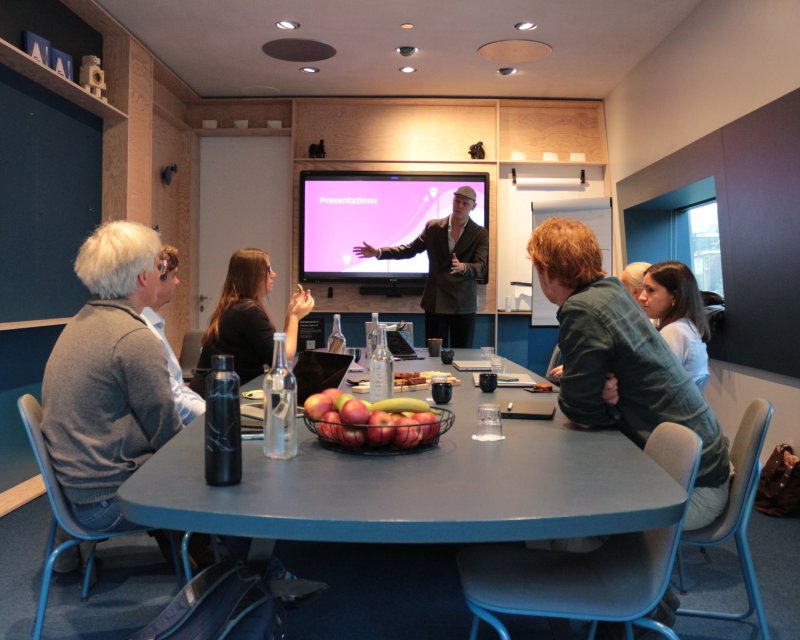
Vorige week zijn de deelnemers vol enthousiasme gestart met dit inspirerende programma. De komende zes maanden zullen ze zich bezighouden met het valideren van hun markt, het versterken van hun team en het ontwikkelen van een geïntegreerd ondernemingsplan.
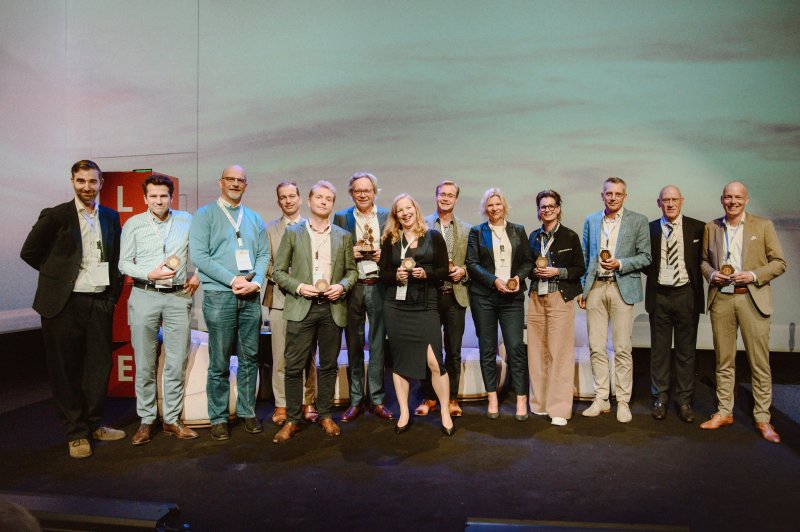
Al vele jaren zetten bestuurders en leden hun tijd, expertise en energie in om de LIFE Coöperatie en het ecosysteem op het gebied van levenswetenschappen en gezondheid in Noord-Nederland te versterken.