Landelijke erkenning voor de noodzaak van een constructieve Human Capital aanpak voor de life sciences sector viel de LIFE Cooperative, Hanzehogeschool en het UMCG op maandag 19 februari ten deel. Toen werd bekend dat hun ingediende project Groningen Human Capital for Life Sciences gehonoreerd werd door PharmaNL met ruim €747.000 euro subsidie. Deze subsidie is toegekend in het kader van het PharmaNL Human Capital Growth programma, een subsidieprogramma voor ondersteuning van specifieke investeringen in onderwijs gericht op de farmaceutische waardeketen. Dit programma wordt door ZonMw uitgevoerd.
Sven Stielstra, business developer bij de LIFE Cooperative ligt het project toe: “Wij zijn actief bezig om een human capital strategie te ontwikkelen die ervoor moet zorgen dat onze leden en partners nu en in de toekomst voldoende goed opgeleide mensen kunnen aantrekken en behouden, één van de topuitdagingen van de komende jaren. Om dit te tackelen is de LIFE Academy in ontwikkeling, met daaronder diverse projecten. Wij zijn zeer blij dat we nu concrete stappen kunnen gaan maken met de toegekende subsidie voor Groningen Human Capital for Life Sciences, een van de projecten onder de LIFE Academy. Naast de individuele projecten blijven wij ons inzetten om de structurele samenwerking binnen de LIFE Academy te verstevigen”
Het project Groningen Human Capital for Life Sciences zal de life science sector in Noord-Nederland faciliteren in het doorontwikkelen van hun sterkste kwaliteiten: Genetechnology, Bioinformatics & Bioanalysis. Hiervoor ontwikkelen en testen de projectpartners tien onderwijsmodules op hbo- en wo-niveau, die zowel studenten als professionals de kans geven om zich te blijven ontwikkelen in de richtingen die het bedrijfsleven nu en in de toekomst nodig heeft. Hierdoor kunnen deze bedrijven hun positie in de regionale, nationale en internationale farmaceutische waardeketen behouden en versterken. De projectperiode heeft een looptijd van drie jaar. Stielstra: “We popelen om van start te gaan en de modules te ontwikkelen waar de (young)professionals en bedrijven direct baat bij hebben.”
“Vanuit de Hanzehogeschool Groningen werken we nu al geruime tijd samen met de sector om gericht talent op te leiden en door te ontwikkelen voor life sciences & health. Daarom zijn we ook zeer blij dat we met deze subsidietoekenning een extra stap vooruit kunnen zetten”, aldus Carine Joosse, Dean Institute of Life Sciences & Technology, Hanzehogeschool Groningen.
Jolanda Smit (Director Medical School of Medical Sciences, UMCG): “Dit project geeft ons gezamenlijk de kans om concrete modules te ontwikkelen vanuit de onderwijsinstellingen samen met het bedrijfsleven, die naadloos aansluiten onze bloeiende life sciences en health sector”.
De ontwikkeling van dit project is mede mogelijk gemaakt door de Gemeente Groningen, Gemeente Assen, Provincie Groningen, Provincie Drenthe en Provincie Fryslân.
Bron afbeelding: Tim van der Kuip
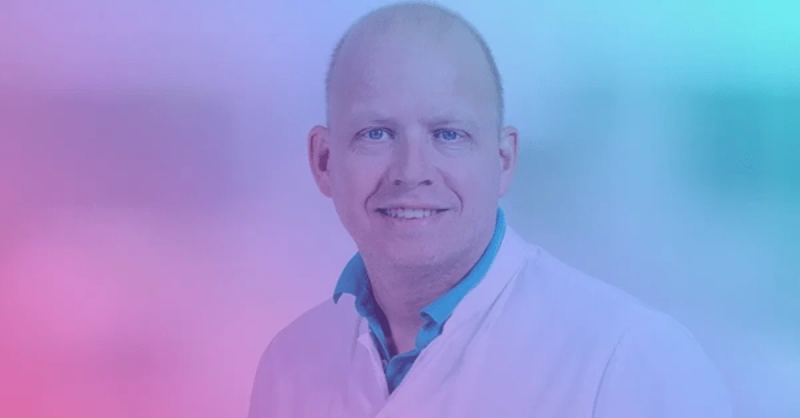
Moleculaire beeldvorming speelt een steeds belangrijkere rol in de ontwikkeling van geneesmiddelen. Door zichtbaar te maken waar een geneesmiddel in het lichaam terechtkomt, of het zijn doelwit bereikt en welke biologische respons het veroorzaakt, kan al in een vroege fase waardevolle informatie worden verkregen. Een nieuw toegekend project binnen de Shared Development Infrastructure-programmalijn van PharmaNL wil deze mogelijkheden verder versterken. Met IMAGING4DRUGS bouwt prof. dr. Rudolf Fehrmann van het UMCG, samen met partners, aan een geïntegreerde infrastructuur voor moleculaire beeldvorming die toegankelijk is voor academische en private partijen. Het project wordt uitgevoerd met steun van PharmaNL en mogelijk gemaakt door ZonMw.
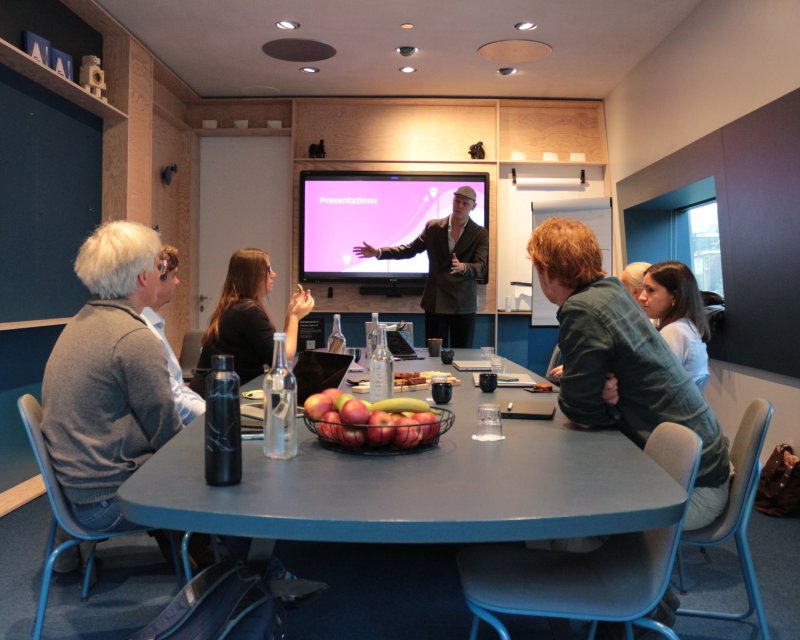
Vorige week zijn de deelnemers vol enthousiasme gestart met dit inspirerende programma. De komende zes maanden zullen ze zich bezighouden met het valideren van hun markt, het versterken van hun team en het ontwikkelen van een geïntegreerd ondernemingsplan.
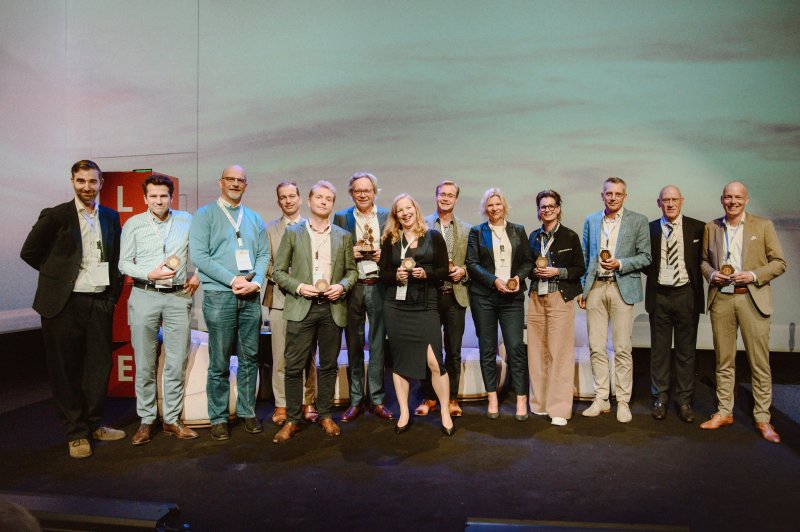
Al vele jaren zetten bestuurders en leden hun tijd, expertise en energie in om de LIFE Coöperatie en het ecosysteem op het gebied van levenswetenschappen en gezondheid in Noord-Nederland te versterken.