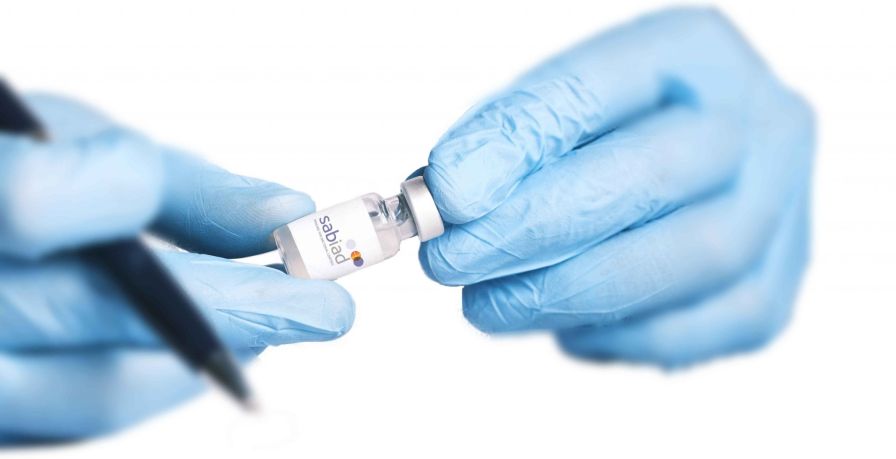
Sabiad, een start-up in Heerenveen, lid van de LIFE Cooperative en onderdeel van het Open Diagnostics Ecosystem, ontving onlangs een aanzienlijke investeringssteun van Pharma Connect Capital (PCC). Deze financiering zal de lancering van hun grensverleggende initiatief ondersteunen. Het project, in samenwerking met het Universitair Medisch Centrum Groningen (UMCG), is gericht op het ontwikkelen van een antilichaam dat de detectie en beeldvorming van Staphylococcus aureus-infecties - een aanzienlijke uitdaging, vooral na orthopedische implantaties zoals heup- en knieprotheses mogelijk maakt.
 Tijdige opsporing
De bacterie Staphylococcus aureus, verantwoordelijk voor ernstige postoperatieve complicaties, geeft symptomen die vaak moeilijk te onderscheiden zijn van normale immuunreacties, wat resulteert in late diagnoses en vertraagde behandelingen met potentieel ernstige gevolgen voor patiënten.
Met behulp van een door Professor Jan Maarten van Dijl (microbioloog) van het UMCG uitgevonden antilichaam kan snelle opsporing en visualisatie van de bacterie door middel van bacteriële beeldvormingstechnieken worden gerealiseerd, wat tijdige diagnostiek en behandeling mogelijk maakt. Sabiad werkt tevens intensief samen met Professor Paul Jutte (orthopeed), die de eerste klinische studie zal leiden.
Jan Hendriks van Pharma Connect Capital, licht toe: "Sabiad's initiatief en de bijdrage van het UMCG sluiten naadloos aan bij de missie van PCC. Wij zijn verheugd een bijdrage te kunnen leveren aan deze volgende ontwikkelingsfase die nu in Noord-Nederland tot stand komt. De vooruitzichten voor patiënten door de nieuw te ontwikkelen diagnostiek zijn veelbelovend."
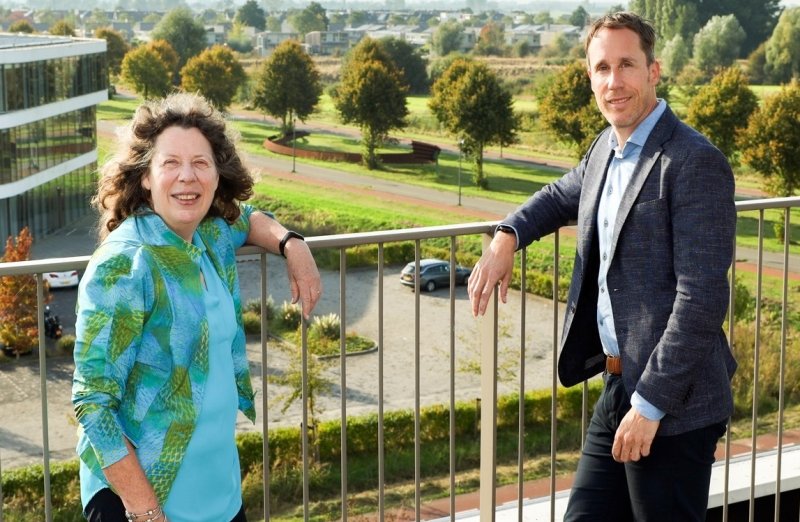
Ton van den Hoven, medeoprichter van Sabiad, voegt hieraan toe: "De investering van PCC is van cruciaal belang voor ons. Hun kennis en uitgebreid netwerk zijn van onschatbare waarde voor de voortgang van vroege ontwikkelingen. Dankzij deze financiering kan Sabiad beginnen met het onderzoeken van de eerste patiënten in een onderzoeksomgeving, waardoor we ons kunnen voorbereiden op verdere klinische studies en productoptimalisatie voor grootschalige implementatie."
""De investering van Pharma Connect Capital is van cruciaal belang voor ons. Hun kennis en uitgebreid netwerk zijn van onschatbare waarde voor de voortgang van vroege ontwikkelingen""
Ton van den Hoven medeoprichter van Sabiad
Wetenschappelijk onderzoek leidt regelmatig tot innovatieve technieken of een nieuw product dat maatschappelijke of economische waarde kan hebben. Dan komt valorisatie in beeld: onderzoek verder brengen naar de praktijk. Voor die stap is vaak financiering nodig. Al 30 jaar investeert RUG Ventures daarom in ondernemende academici die hun ideeën verder willen brengen als bedrijf. Met financiering, ondernemerschap, coaching en een netwerk van investeerders helpt RUG Ventures de brug te slaan tussen wetenschap en markt.
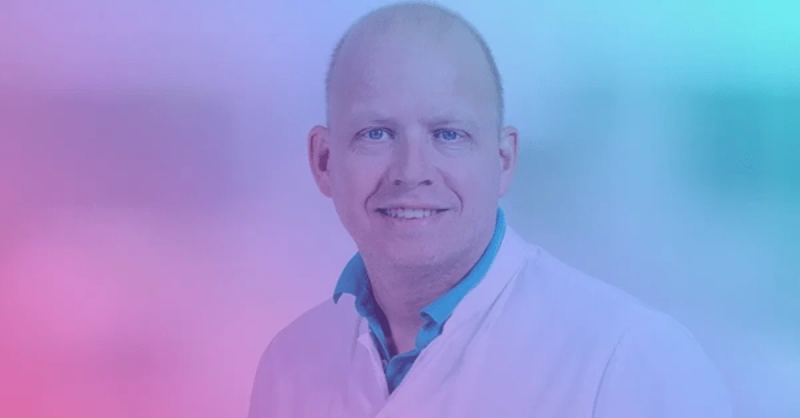
Moleculaire beeldvorming speelt een steeds belangrijkere rol in de ontwikkeling van geneesmiddelen. Door zichtbaar te maken waar een geneesmiddel in het lichaam terechtkomt, of het zijn doelwit bereikt en welke biologische respons het veroorzaakt, kan al in een vroege fase waardevolle informatie worden verkregen. Een nieuw toegekend project binnen de Shared Development Infrastructure-programmalijn van PharmaNL wil deze mogelijkheden verder versterken. Met IMAGING4DRUGS bouwt prof. dr. Rudolf Fehrmann van het UMCG, samen met partners, aan een geïntegreerde infrastructuur voor moleculaire beeldvorming die toegankelijk is voor academische en private partijen. Het project wordt uitgevoerd met steun van PharmaNL en mogelijk gemaakt door ZonMw.
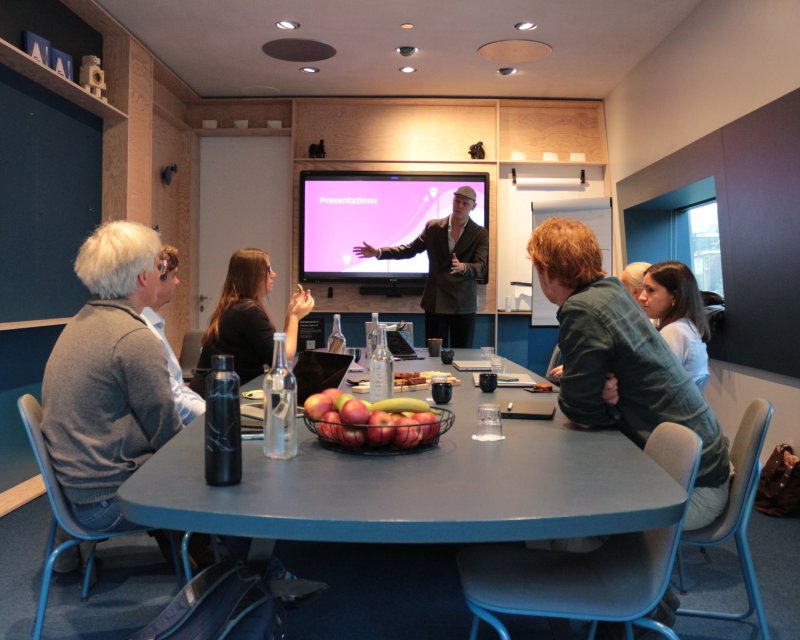
Vorige week zijn de deelnemers vol enthousiasme gestart met dit inspirerende programma. De komende zes maanden zullen ze zich bezighouden met het valideren van hun markt, het versterken van hun team en het ontwikkelen van een geïntegreerd ondernemingsplan.