Vanaf 2026 gaat SpringBoard, de branchevereniging voor medische technologie, door als onderdeel van LIFE Cooperative. Een logische stap, omdat beide dezelfde doelstellingen nastreven voor hun leden. Hiermee wordt de kennis, ervaring en het netwerk van SpringBoard geïntegreerd binnen de LIFE Cooperative, de coöperatie van meer dan 60 noordelijke Life Science bedrijven. Dit is een belangrijke stap om de Life Science & Health sector in Noord-Nederland nog sterker te maken en verder te doen groeien.
“We vullen elkaar perfect aan en staan samen nog sterker. Door op deze manier verder te gaan neemt de effectiviteit van ontwikkelde oplossingen die bijdragen aan een duurzame gezondheidszorg toe. Zo creëren we economische kansen voor onze leden!”, aldus Ronald Hesse, directeur van de LIFE Cooperative.
Gezamenlijke ambitie
De LIFE Cooperative heeft vanaf haar oprichting in 2014 intensief en met plezier samengewerkt met SpringBoard. Jan Thalens speelde hierin namens SpringBoard een belangrijke rol door ook in het bestuur van LIFE Cooperative bij te dragen aan de verdere ontwikkeling van de coöperatie. SpringBoard besloot in 2025 dat het tijd was voor een volgende stap. De LIFE Cooperative deelt deze ambitie en breidt vanaf 2026 haar activiteiten op het gebied van Enabling Technologies & Medical Devices verder uit. “Samen creëren we nieuwe kansen voor onze leden en versterken we het ecosysteem rondom medische technologie”, stelt Jan Thalens, bestuurslid Springboard.
Over LIFE Cooperative
De LIFE Cooperative stimuleert innovatie in de life sciences door samenwerking tussen ondernemers, onderzoekers en investeerders te faciliteren. Met diverse programma’s en evenementen bevordert LIFE de ontwikkeling van technologieën die gezondheid en welzijn verbeteren. De coöperatie vertegenwoordigt meer dan 60 bedrijven in het Noorden van Nederland: van ambitieuze startups en innovatieve mkb’ers tot internationale spelers. Samen zijn zij goed voor circa 5.000 fte en een omzet van €500 miljoen.
Over SpringBoard
SpringBoard is een onafhankelijke branchevereniging voor medische technologie, opgericht in 2008 uit een initiatief van voormalige medewerkers van Cordis Roden. Het netwerk groeide tot circa 65 leden en stimuleert innovatie en kennisdeling, ondersteunt ondernemers en helpt bij het opzetten van nieuwe bedrijven. SpringBoard heeft bijgedragen aan de oprichting van zeven nieuwe bedrijven en ongeveer 100 arbeidsplaatsen. Met workshops, netwerkbijeenkomsten en een open innovatieplatform versterkt SpringBoard de MedTech-sector en de ontwikkeling van human capital in Noord-Nederland.

Moleculaire beeldvorming speelt een steeds belangrijkere rol in de ontwikkeling van geneesmiddelen. Door zichtbaar te maken waar een geneesmiddel in het lichaam terechtkomt, of het zijn doelwit bereikt en welke biologische respons het veroorzaakt, kan al in een vroege fase waardevolle informatie worden verkregen. Een nieuw toegekend project binnen de Shared Development Infrastructure-programmalijn van PharmaNL wil deze mogelijkheden verder versterken. Met IMAGING4DRUGS bouwt prof. dr. Rudolf Fehrmann van het UMCG, samen met partners, aan een geïntegreerde infrastructuur voor moleculaire beeldvorming die toegankelijk is voor academische en private partijen. Het project wordt uitgevoerd met steun van PharmaNL en mogelijk gemaakt door ZonMw.
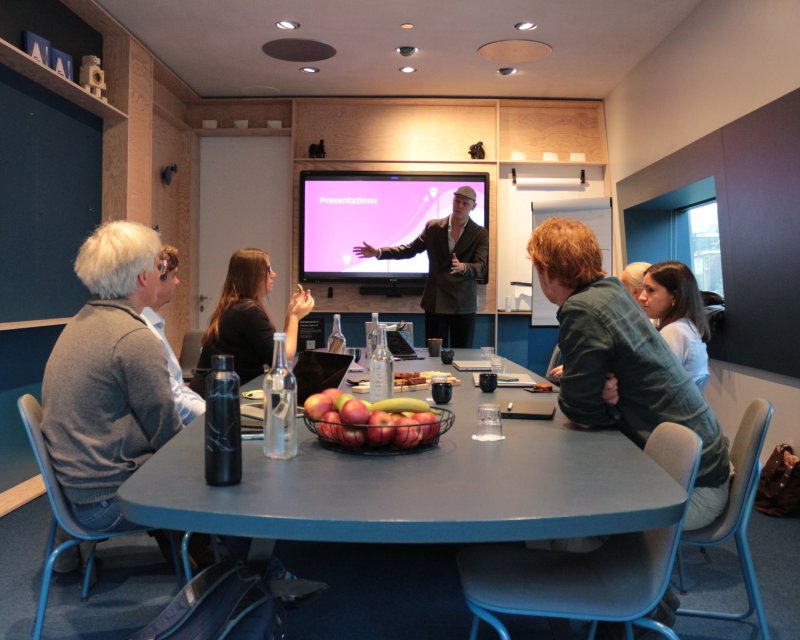
Vorige week zijn de deelnemers vol enthousiasme gestart met dit inspirerende programma. De komende zes maanden zullen ze zich bezighouden met het valideren van hun markt, het versterken van hun team en het ontwikkelen van een geïntegreerd ondernemingsplan.
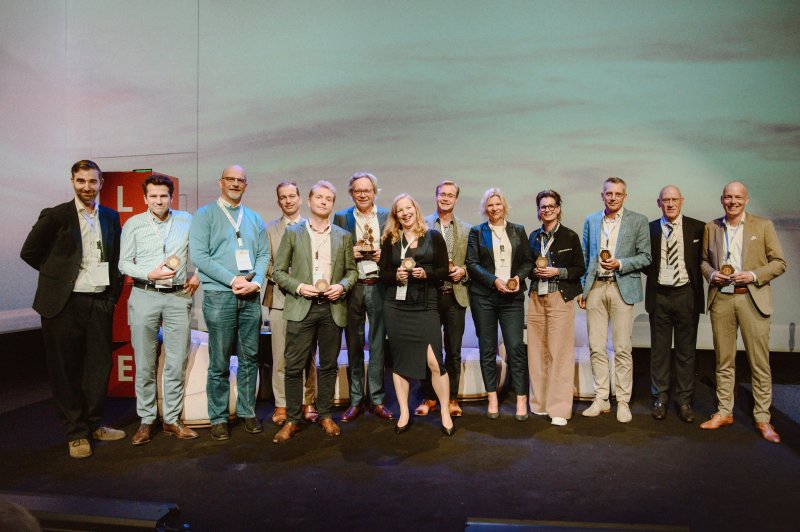
Al vele jaren zetten bestuurders en leden hun tijd, expertise en energie in om de LIFE Coöperatie en het ecosysteem op het gebied van levenswetenschappen en gezondheid in Noord-Nederland te versterken.