Vier nieuwe bedrijven, waaronder LIFE Cooperative-lid Bioprex Medical, opgericht door onderzoekers van de Faculty of Science & Engineering, zijn genomineerd voor deelname aan de vijfde editie van de Academic Startup Competition (ASC).
De ASC is een jaarlijks programma waarin de meest veelbelovende academische startups meedoen vanuit Nederlandse universiteiten en onderzoeksinstituten. Het doel van de ASC is om hun groei te versnellen, helderheid te bieden over waar hun focus moet liggen en deuren te openen die tot nu toe gesloten waren.
De ASC begint met veertig teams, die zijn voorgedragen door Nederlandse universiteiten, start-up programma’s, onderzoeksinstituten en vanuit onderzoeksprogramma’s. Na drie ronden zullen op 2 april tien winnaars worden aangewezen, die een maand later afreizen naar de VS. Daar ontmoeten deze teams in Silicon Valley ondernemers, investeerders en verbinders.
Bioprex Medical
Medische implantaten, of andere medische hulpmiddelen in het lichaam, zijn gevoelig voor bacteriële infecties. Het is bovendien vaak lastig om zulke infecties te behandelen met antibiotica, waardoor gemakkelijk resistentie bij de bacteriën kan ontstaan.
Wetenschappers van het Zernike Institute for Advanced Materials onder leiding van prof. Ton Loontjes en dr. Rui Li hebben een antibacteriële coating ontwikkeld die dit soort infecties bij medische implantaten kan voorkomen. De coating (die is gebaseerd op zogeheten quaternaire ammonium verbindingen) doodt de bacteriën via een elektrostatisch mechanisme. Dat verschilt sterk van de manier waarop antibiotica werken, dus het gebruik van de coating zorgt niet voor de ontwikkeling van resistentie.
Lees het hele artikel van Rijksuniversiteit Groningen (FSE Science Newsroom | René Fransen) hier verder.
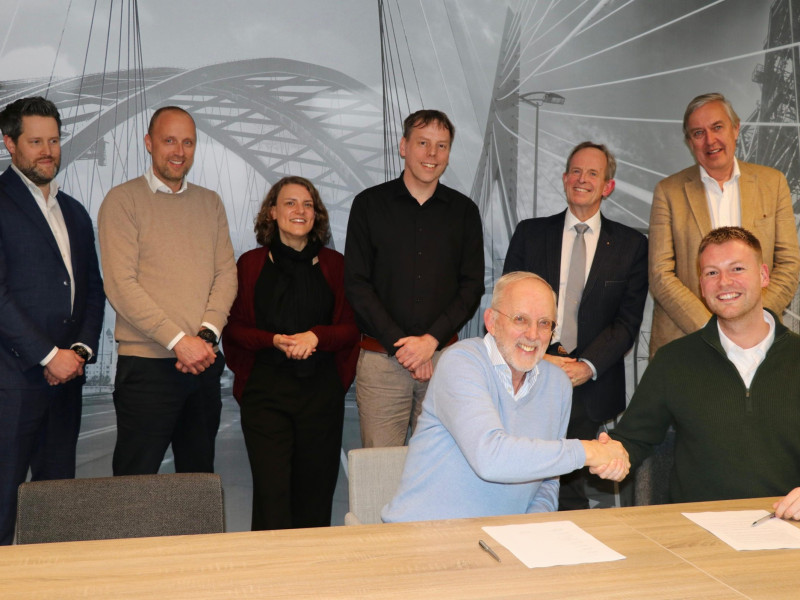
MimeCure heeft een investering van 3 miljoen euro binnengehaald voor de ontwikkeling van een regeneratief geneesmiddel voor de behandeling van chronische longziekten, zoals longfibrose. Dankzij deze financiering kan MimeCure de afronding van de preklinische fase versnellen en beginnen met de voorbereidingen voor klinische proeven, die volgens planning eind 2027 van start zullen gaan. De investeringsronde wordt geleid door Addington Investment Group en ondersteund door mede-investeerder Apsara Investments.
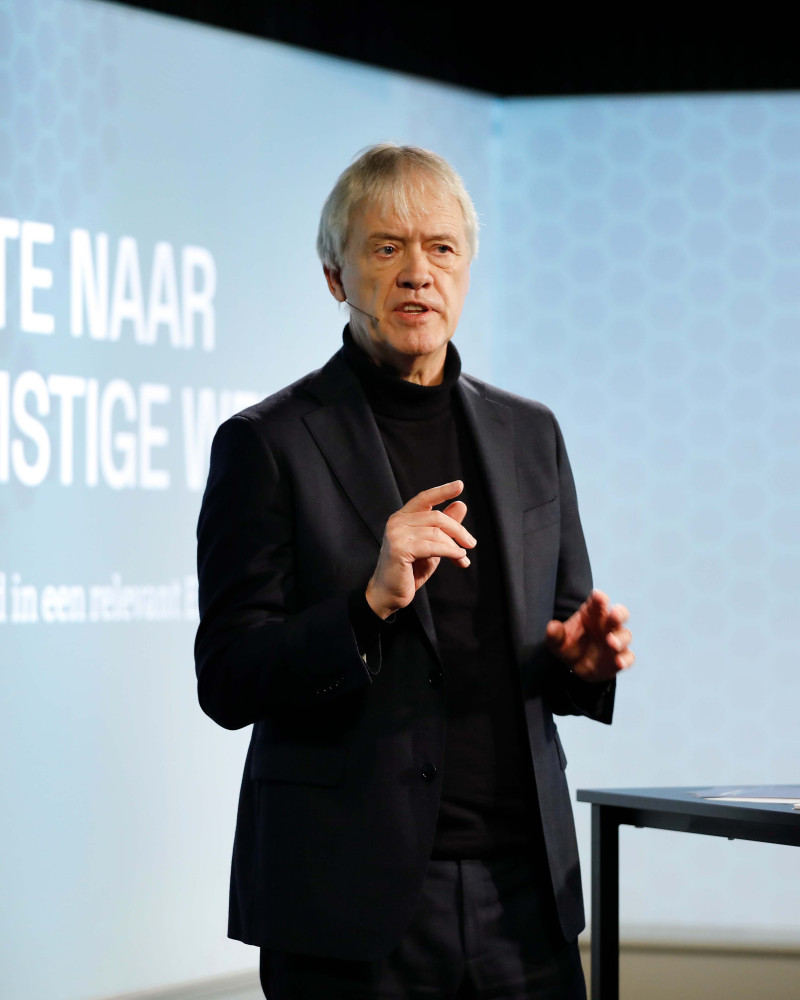
Van plannen maken naar resultaten boeken: dat staat centraal tijdens de vijfde LIFE Science Conference op dinsdag 22 september 2026 in Forum Groningen. De LIFE Cooperative brengt daar professionals, ondernemers, onderzoekers en beleidsmakers uit de life sciences- en healthsector samen rond één vraag: hoe vertalen we visie naar concrete impact? Keynote spreker is Peter Wennink, voormalig CEO van ASML en een van de meest invloedrijke bestuurders uit de Nederlandse technologiesector. In 2025 presenteerde hij het advies ‘De route naar toekomstige welvaart’, waarin hij pleit voor gerichte investeringen in innovatie en het verdienvermogen van Nederland.

In het Noorden, en Groningen in het bijzonder, zitten tientallen bedrijven die zich bezighouden met innovaties op het gebied van life science en health. Veel pareltjes zitten erbij, zegt Ronald Hesse, directeur van samenwerkingsverband LIFE Cooperative. “Miljoenen patiënten wereldwijd hebben al kunnen profiteren van innovaties die hier in Groningen zijn ontwikkeld”, zegt hij.