Heb je als ondernemer een innovatief idee voor de toekomst van jouw bedrijf én voor een mooier en sterker Noord-Nederland? Dan kan het verstandig zijn om eerst de haalbaarheid van jouw idee te toetsen. Met de subsidie Mkb haalbaarheidsvoucher uit het EFRO-programma (Europees Fonds voor Regionale Ontwikkeling) voor Groningse, Drentse en Friese ondernemers is dit mogelijk. Het Samenwerkingsverband Noord-Nederland voert deze subsidie uit. Je kunt je aanvraag nog indienen tot en met 30 november 2024 via SNN. Grijp dus je kans!
De Mkb Haalbaarheidsvoucher – met een budget van €2 miljoen euro – gaat open vanuit het EFRO-programma 2021-2027. Binnen het EFRO-programma werken de provincies Drenthe, Fryslân, Groningen en Economic Board Noord-Nederland samen aan het versterken en verder ontwikkelen van de regionale economie in het Noorden.
 Haalbaarheidsonderzoek om verder te kunnen innoveren
Met een haalbaarheidsonderzoek brengt een ondernemer in kaart of zijn innovatieve idee economisch en/of technisch haalbaar is. Het bepalen van de juiste onderzoeksvragen en -aanpak is nog niet zo eenvoudig. IkBenDrentsOndernemer (Drenthe), GroBusiness (Groningen) en Ynbusiness (Fryslan) kan daarbij helpen. Vervolgens wordt het onderzoek met behulp van een proeftuin in Noord-Nederland uitgevoerd. Op basis hiervan krijgt een ondernemer antwoorden (en kennis) waarmee hij een beslissing kan nemen om wel (of niet) verder te gaan met de ontwikkeling van zijn idee of innovatie.
Proeftuinen hebben waardevolle kennis, kunde en faciliteiten beschikbaar om noordelijke ondernemers verder te helpen met innoveren. De Mkb haalbaarheidsvoucher ondersteunt innovatieve ondernemers en hun samenwerking met een proeftuin. En gaat een ondernemer verder met de ontwikkeling van zijn idee? Dan helpt IkBenDrentsOndernemer, GroBusiness of Ynbusiness graag verder bij de volgende ontwikkelfase.
Via de LIFE Cooperative en Campus Groningen heb je toegang tot verschillende proeftuinen, zoals de laboratoria van Innolab AgriFood (of Engineering of Chemie), de faciliteiten van ZAP voor biobased economy, of de projecten van de LIFE Cooperative gericht op de ontwikkeling van Medical devices (AccelMed North), diagnostica (Open Diagnostics) of geneesmiddelen. Maak hier gebruik van en kom zo in aanmerking voor deze voucher! Wil je graag hulp of info hierover vanuit Campus Groningen? Neem dan contact op met Daan van Oldeniel, business developer bij de LIFE Cooperative (d.van.oldeniel@triade.umcg.nl) of Sven Stielstra, business developer bij de LIFE Cooperative (s.stielstra@triade.umcg.nl).
Vanaf 1 december 2023 t/m 30 november 2024 kunnen mkb’ers hun aanvraag indienen bij het SNN. Ga voor het bepalen van de juiste onderzoeksvragen en -aanpak vooral in gesprek met IkBenDrentsOndernemer, GroBusiness of Ynbusiness. Op de website van het SNN vind je meer informatie over het aanvraagproces, de uitvoeringsregeling en de voorwaarden: www.snn.nl/mkbhaalbaarheidsvoucher.
Ondernemers in midden- en kleinbedrijf gevestigd en actief in Drenthe, Friesland of Groningen.
Loonkosten van werknemers en eigen uren
Het inschakelen van een (onafhankelijke) proeftuinfaciliteit
Materiaalkosten die uitsluitend nodig zijn voor het haalbaarheidsproject
Huurkosten van apparatuur en uitrusting
Het inschakelen van een onafhankelijke adviesorganisatie
Bron artikel en afbeelding: snn.nl
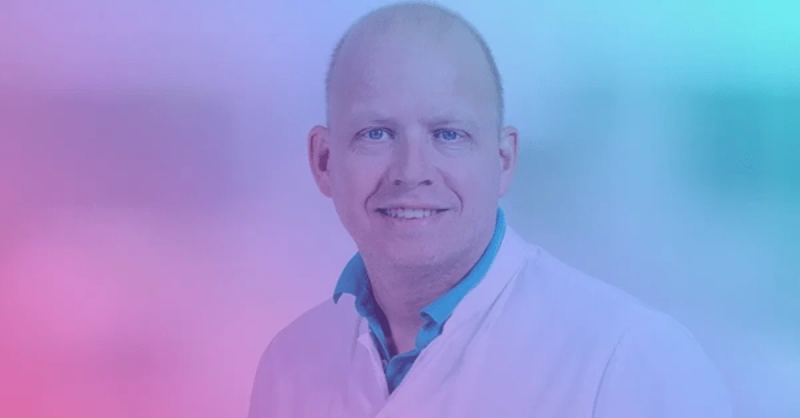
Moleculaire beeldvorming speelt een steeds belangrijkere rol in de ontwikkeling van geneesmiddelen. Door zichtbaar te maken waar een geneesmiddel in het lichaam terechtkomt, of het zijn doelwit bereikt en welke biologische respons het veroorzaakt, kan al in een vroege fase waardevolle informatie worden verkregen. Een nieuw toegekend project binnen de Shared Development Infrastructure-programmalijn van PharmaNL wil deze mogelijkheden verder versterken. Met IMAGING4DRUGS bouwt prof. dr. Rudolf Fehrmann van het UMCG, samen met partners, aan een geïntegreerde infrastructuur voor moleculaire beeldvorming die toegankelijk is voor academische en private partijen. Het project wordt uitgevoerd met steun van PharmaNL en mogelijk gemaakt door ZonMw.
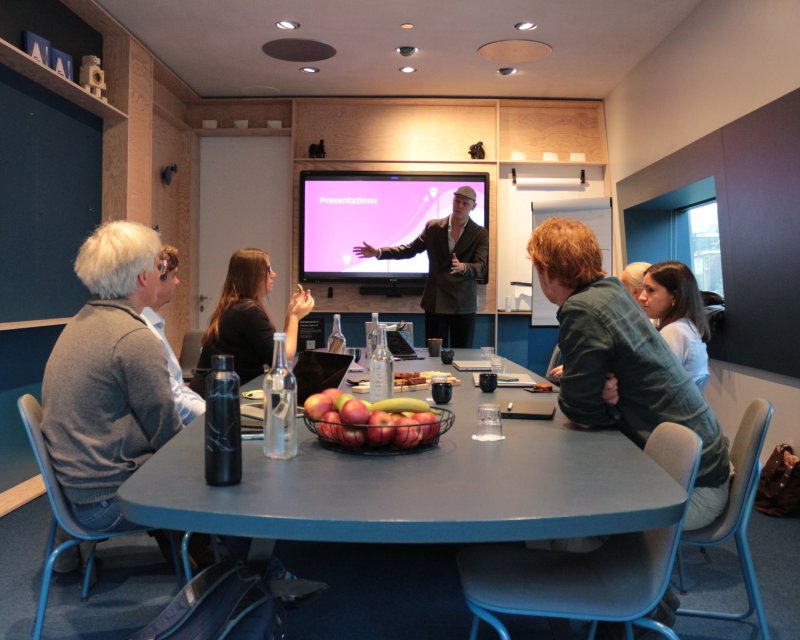
Vorige week zijn de deelnemers vol enthousiasme gestart met dit inspirerende programma. De komende zes maanden zullen ze zich bezighouden met het valideren van hun markt, het versterken van hun team en het ontwikkelen van een geïntegreerd ondernemingsplan.
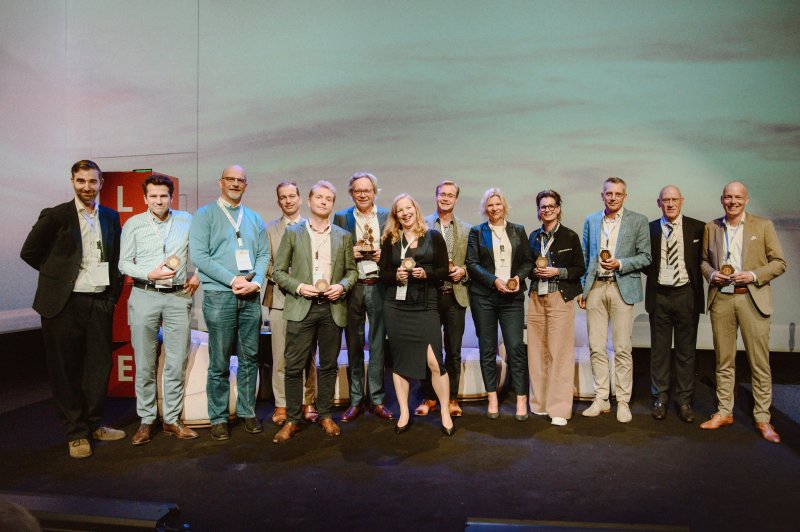
Al vele jaren zetten bestuurders en leden hun tijd, expertise en energie in om de LIFE Coöperatie en het ecosysteem op het gebied van levenswetenschappen en gezondheid in Noord-Nederland te versterken.