Innovatie in geneesmiddelen staat centraal op donderdag 26 februari tijdens de Dutch Medicine Winter Afternoon, een inspirerende middag georganiseerd door FIGON (Federation for Innovative Drug Research Netherlands) in samenwerking met de LIFE Cooperative. “We zijn ontzettend trots op de sterke line-up tijdens dit event, waarbij toonaangevende experts vanuit wetenschap en industrie samenkomen en de grenzen van medicijnontwikkeling verkennen. Dat de inschrijvingen al volgeboekt zijn, onderstreept het grote belang van dit event voor het life science-ecosysteem en in het bijzonder voor Noord-Nederland,” aldus Ronald Hesse, directeur van de LIFE Cooperative.
De Dutch Medicines Winter Afternoon brengt wetenschappers, innovators en professionals uit de life sciences-sector uit heel Nederland samen voor een middag vol inzichten, kennisdeling en netwerkmogelijkheden. De sprekerslijst omvat experts uit academia en industrie.
Dit evenement is reeds volgeboekt, nog in aanmerking komen voor de wachtlijst? Mail: amber@lifecooperative.nl
Verbindende kracht
De middag wordt geopend door prof. Klaas Poelstra van de Rijksuniversiteit Groningen (RUG), voorzitter van FIGON, die het belang van innovatieve geneesmiddelenontwikkeling in Nederland zal duiden. Vervolgens verzorgt Robert Hof namens de LIFE Cooperative een introductie waarin hij ingaat op de rol van de coöperatie als verbindende kracht binnen het regionale ecosysteem.
In het eerste inhoudelijke blok vóór de pauze staat innovatie in toedieningssystemen centraal. Rob Steendam (CTO, InnoCore) bespreekt de ontwikkeling van long-acting SynBiosys® microsferen voor gecontroleerde en langdurige medicijnafgifte. Jaap Wieling (CEO, PureIMS) licht de mogelijkheden toe van dry-powder inhalatie via de Cyclops®-technologie voor zowel pulmonale als systemische toepassingen. Vanuit de academische hoek verkent prof. Marleen Kamperman (Rijksuniversiteit Groningen) de potentie van polyelektrolyt-coacervaten als innovatieve drug delivery-platformen.
Verdieping na de pauze
Na de pauze verschuift de focus naar geavanceerde nanomedicijnen en klinische ontwikkelingsstrategieën. Dr. Flávia Sousa (RUG) presenteert haar werk aan polymeer-gebaseerde nanomedicijnen voor het afleveren van biotherapeutica in de hersenen. Dr. Ad Roffel (ICON plc, Groningen) gaat in op mass balance- en absolute bioavailability-studies met ¹⁴C-gelabelde geneesmiddelen in mensen, een essentieel onderdeel van klinische ontwikkeling.
Prof. Erik Frijlink (RUG) reflecteert op de waarde van innovatie binnen zowel bestaande als geavanceerde drug delivery-systemen en plaatst technologische vooruitgang in een bredere farmaceutische context. Tot slot laat prof. Helder Santos (RUG) zien hoe nanomedicijnen worden ingezet voor RNA-afgifte bij herstel na een myocardinfarct, een veelbelovende ontwikkeling binnen cardiovasculaire therapieën.
Afsluiting en netwerk
De middag word afgerond met een bijdrage van Peter Ketelaar (LIFE Cooperative), gevolgd door een slotwoord van prof. Klaas Poelstra. Aansluitend is er ruimte voor ontmoeting en verdieping tijdens de netwerkborrel. Hesse ziet uit naar het event: “Met dit event onderstrepen FIGON en de LIFE Cooperative de kracht van samenwerking tussen wetenschap, bedrijfsleven en klinische praktijk. De Dutch Medicines Winter Afternoon belooft daarmee niet alleen een inspirerende middag te worden, maar ook een impuls voor verdere innovatie en samenwerking binnen het Noord-Nederlandse life sciences-ecosysteem.”
Fotograaf: Casper Maas
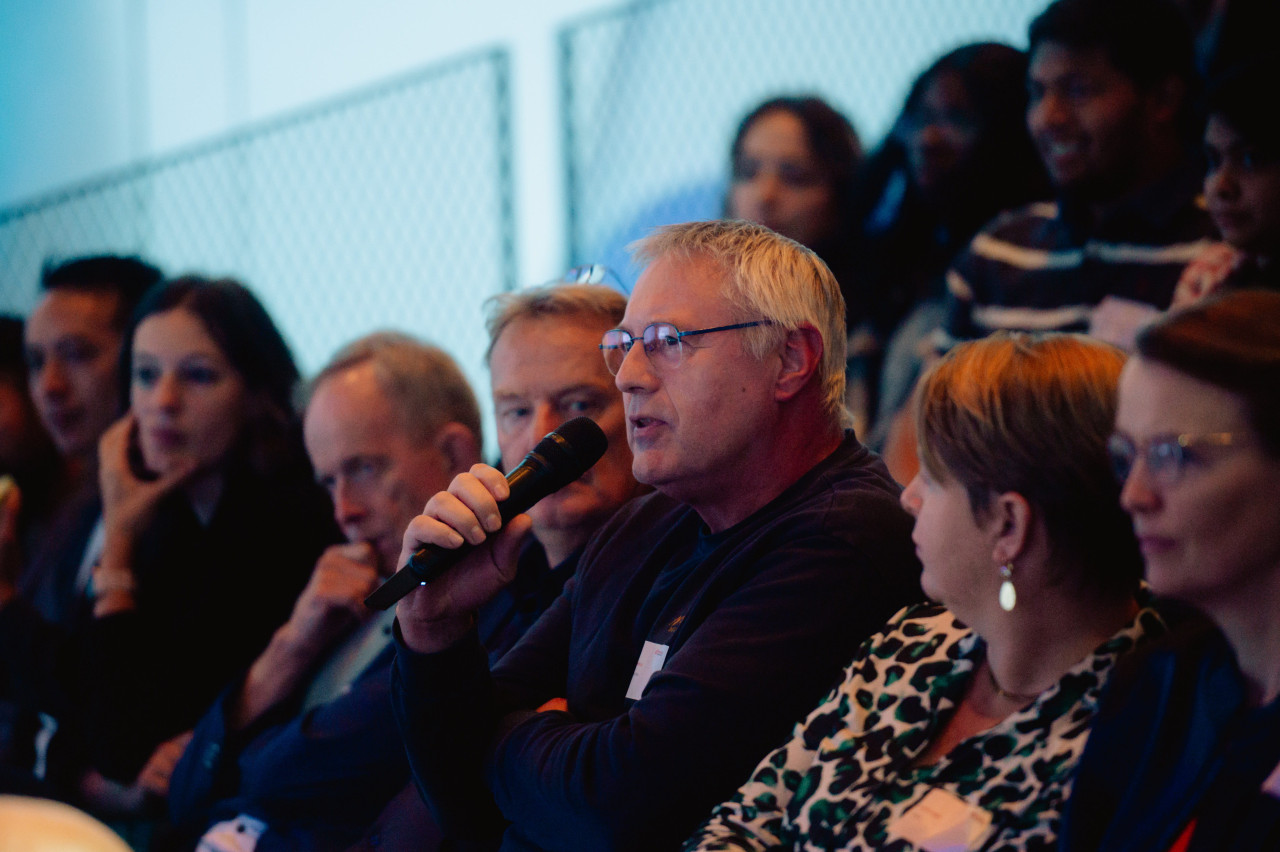
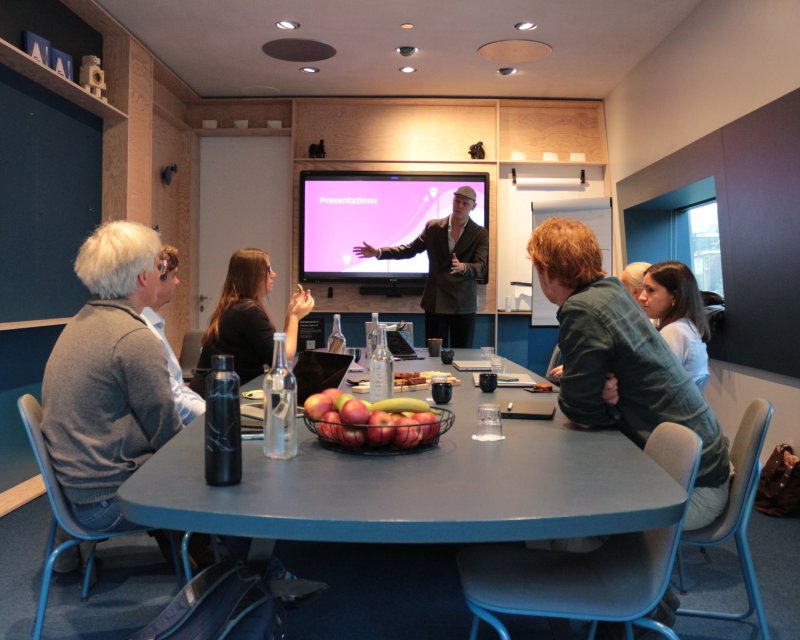
Vorige week zijn de deelnemers vol enthousiasme gestart met dit inspirerende programma. De komende zes maanden zullen ze zich bezighouden met het valideren van hun markt, het versterken van hun team en het ontwikkelen van een geïntegreerd ondernemingsplan.
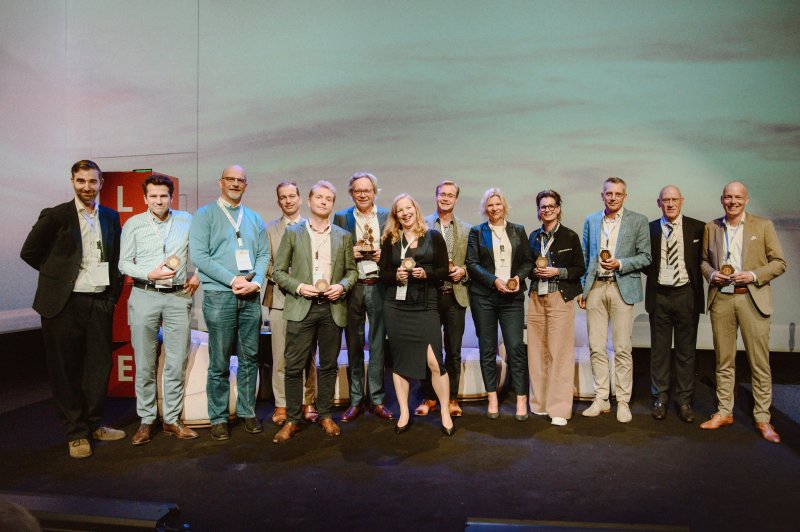
Al vele jaren zetten bestuurders en leden hun tijd, expertise en energie in om de LIFE Coöperatie en het ecosysteem op het gebied van levenswetenschappen en gezondheid in Noord-Nederland te versterken.
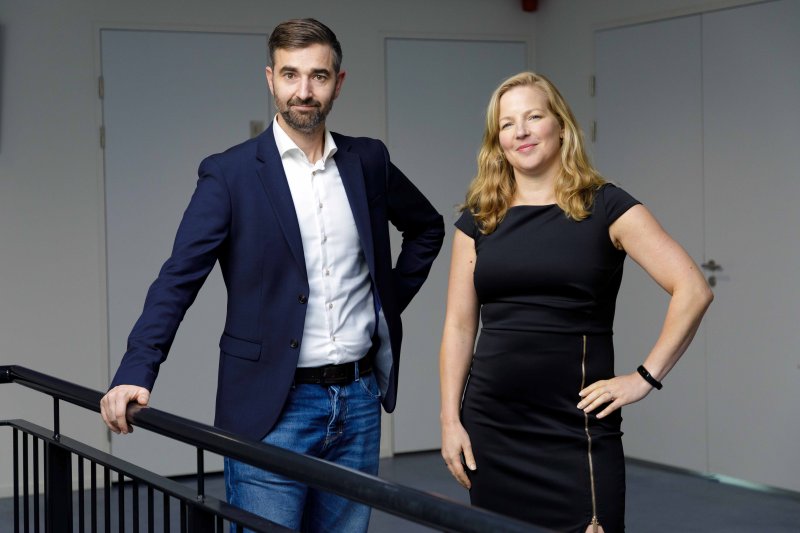
Daar is men bij LIFE Cooperative van overtuigd. Het jaarlijkse congres, met deze keer onder andere Peter Wennink als spreker, heeft onlangs zijn vijfde editie beleefd. De LIFE Science Innovation Award is uitgereikt en de aanwezige bedrijven en genodigden kijken terug op een inspirerende avond. Het tekent de ambitie van LIFE Cooperative, dat ruim 10 jaar geleden werd opgezet om te verbinden en nu verder bouwt aan de randvoorwaarden voor groei.