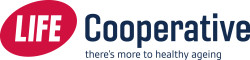
Het project ‘G2 Solutions’, door de LIFE Cooperative geïnitieerd, is in augustus officieel gehonoreerd door PharmaNL in hun programmalijn Shared Development Infrastructure. Dit is de tweede subsidie die we dit jaar van PharmaNL ontvangen, na de toekenning in februari 2024 voor de LIFE Academy in de programmalijn Human Capital Growth.
In samenwerking met onze partners Pivot Park Screening Centre, het UMCG en GenomeScan, gaan we in dit project nieuwe technologie ontwikkelen voor betere diagnostiek van ziektes en daarnaast geavanceerde stamcelmodellen ontwikkelen om nieuwe geneesmiddelen te vinden. We zullen deze technologie beschikbaar maken voor academisch en commerciële partners om zo tezamen de beschikbaarheid van geneesmiddelen in Nederland te verbeteren.
Peter Ketelaar, directeur van LIFE Cooperative: "Wij zijn ontzettend verheugd en dankbaar voor de toekenning door PharmaNL. Dit bevestigt de toegevoegde waarde en het belang van ons regionaal ecosysteem om de Nederlandse farmaceutische sector te versterken. Met het project ‘G2 Solutions’ zetten we een belangrijke stap in de ontwikkeling van innovatieve technologieën en het versnellen van geneesmiddelenontwikkeling. Het gezamenlijke gebruik van geavanceerde infrastructuur stelt ons in staat om sneller en kostenefficiënter te werken, wat uiteindelijk bijdraagt aan betere gezondheidszorg voor iedereen."
PharmaNL is een initiatief van en voor de Nederlandse farmaceutische sector, gedragen door een landelijk publiek-privaat consortium bestaande uit Leiden University Medical Center/ Leiden University, Campus Groningen en Pivot Park Oss.
De PharmaNL programmalijn Shared Development Infrastructure richt zich op het versterken van de Nederlandse farmaceutische waardeketen door het uitbreiden van gedeelde R&D-infrastructuur in farmaceutische hubs. ZonMw is uitvoerder van het PharmaNL-programma in opdracht van het Ministerie van Volksgezondheid, Welzijn en Sport (VWS).
De ontwikkeling van dit project is mede mogelijk gemaakt door de Gemeente Groningen en Gemeente Assen, Provincie Groningen, Provincie Drenthe en Provincie Fryslân.
Bron tekst: LIFE Cooperative
Bron Afbeelding: PharmaNL
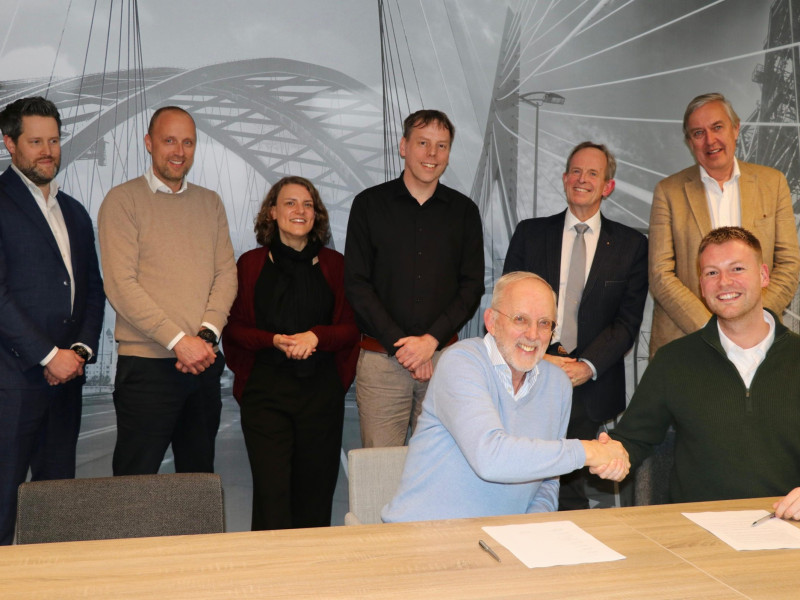
MimeCure heeft een investering van 3 miljoen euro binnengehaald voor de ontwikkeling van een regeneratief geneesmiddel voor de behandeling van chronische longziekten, zoals longfibrose. Dankzij deze financiering kan MimeCure de afronding van de preklinische fase versnellen en beginnen met de voorbereidingen voor klinische proeven, die volgens planning eind 2027 van start zullen gaan. De investeringsronde wordt geleid door Addington Investment Group en ondersteund door mede-investeerder Apsara Investments.
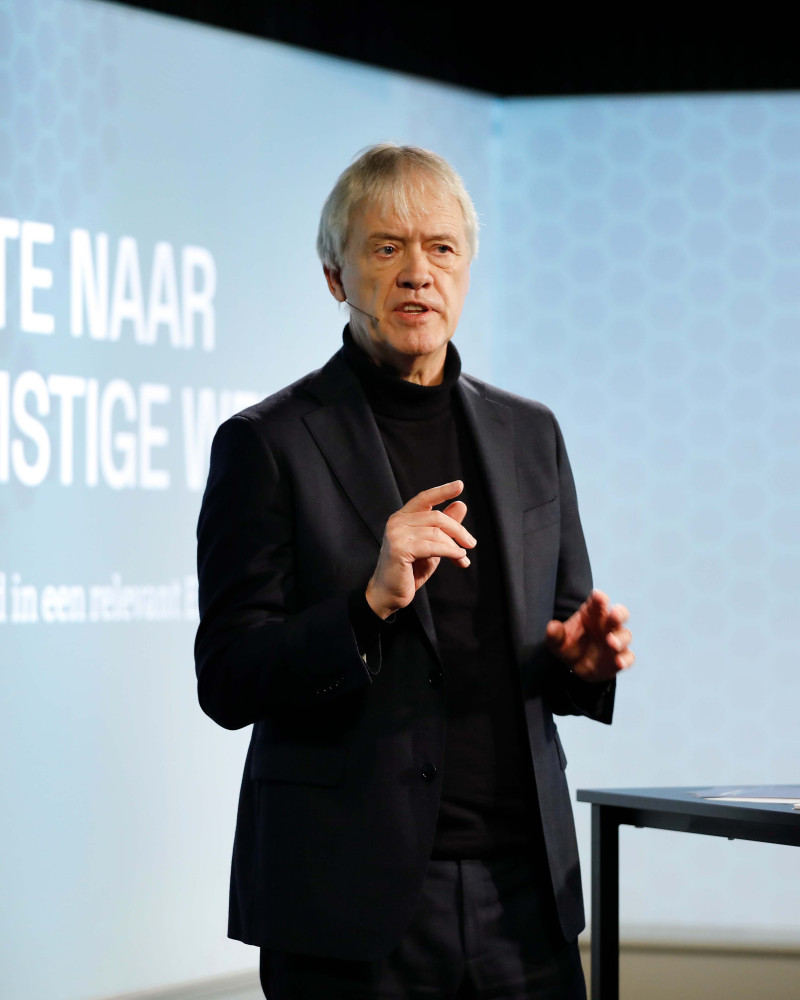
Van plannen maken naar resultaten boeken: dat staat centraal tijdens de vijfde LIFE Science Conference op dinsdag 22 september 2026 in Forum Groningen. De LIFE Cooperative brengt daar professionals, ondernemers, onderzoekers en beleidsmakers uit de life sciences- en healthsector samen rond één vraag: hoe vertalen we visie naar concrete impact? Keynote spreker is Peter Wennink, voormalig CEO van ASML en een van de meest invloedrijke bestuurders uit de Nederlandse technologiesector. In 2025 presenteerde hij het advies ‘De route naar toekomstige welvaart’, waarin hij pleit voor gerichte investeringen in innovatie en het verdienvermogen van Nederland.
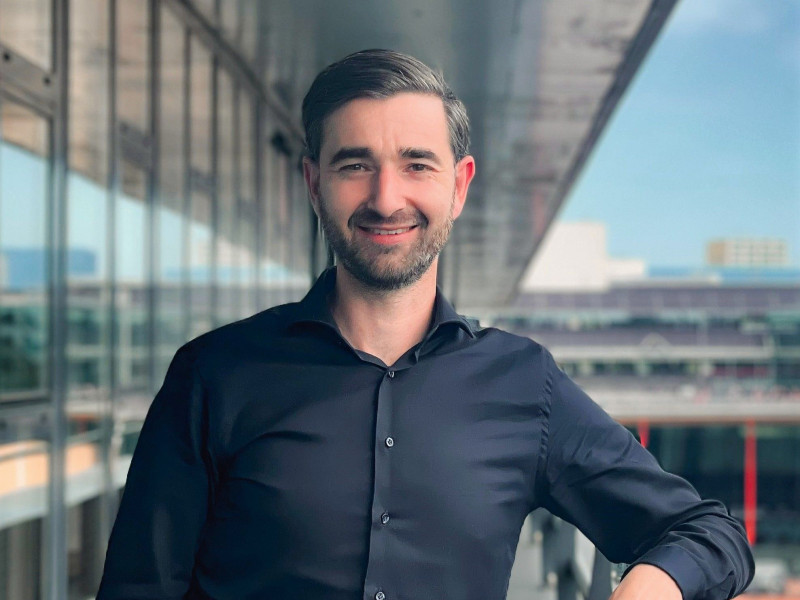
In het Noorden, en Groningen in het bijzonder, zitten tientallen bedrijven die zich bezighouden met innovaties op het gebied van life science en health. Veel pareltjes zitten erbij, zegt Ronald Hesse, directeur van samenwerkingsverband LIFE Cooperative. “Miljoenen patiënten wereldwijd hebben al kunnen profiteren van innovaties die hier in Groningen zijn ontwikkeld”, zegt hij.