De LIFE Cooperative, dé coöperatie voor de life sciences & health sector van Noord-Nederland, maakt nieuwe stap richting de toekomst met de aankondiging van de nieuwe bestuurssamenstelling. Met ingang van 1 oktober verwelkomt de LIFE Cooperative met trots twee nieuwe gezichten: Annelies Wolters, directeur van Lode Holding, en Koos Koops, partner bij Carduso Capital en voormalig co-founder en CEO van Xendo. Deze nieuwe bestuursleden brengen nieuwe ideeën en energie mee om de ambities van de coöperatie naar een hoger niveau te tillen.
Annelies Wolters: “In het Noorden hebben we een prachtig innovatief ecosysteem, waar Lode Holding al jaren onderdeel van is. Ik ben verheugd om vanuit mijn eigen kennis en expertise én vanuit de medische technologie, een bijdrage te leveren binnen het bestuur van de LIFE Cooperative.”
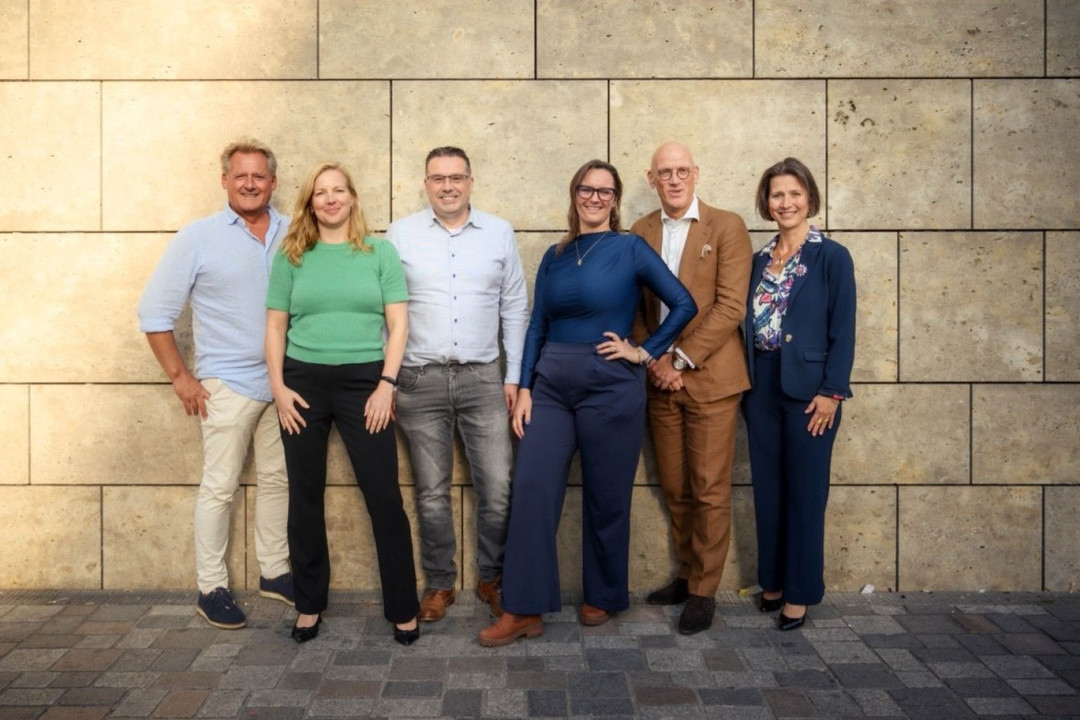
Tegelijkertijd neemt de coöperatie met waardering afscheid van twee sleutelfiguren die aan de wieg hebben gestaan van het succes van LIFE Cooperative. Ton Vries, Head of Innovation & Technology bij Symeres, en Johannes Wolters, CEO van Lode Holding, hebben na tien jaar toegewijde inzet besloten het stokje over te dragen. Hun impact op de coöperatie is onmiskenbaar en blijft zichtbaar in de activiteiten van de LIFE Cooperative.
Naast twee ervaren ondernemers, wordt er nog een vertrouwd gezicht toegevoegd aan de LIFE Cooperative. Ronald Hesse zal in zijn nieuwe functie als directeur de handschoen met enthousiasme oppakken van Peter Ketelaar, die op zijn beurt als voorzitter toetreedt tot het bestuur en zo betrokken blijft bij de LIFE Cooperative, zodat zijn ervaring en netwerk niet verloren gaat.
"Ik ben enorm enthousiast om in mijn nieuwe rol als directeur bij de LIFE Cooperative verder bij te dragen aan de ambitieuze doelen die we samen willen bereiken. Vanaf het begin ben ik, vanuit mijn rol binnen Campus Groningen, betrokken geweest bij de opstart en doorontwikkeling van de coöperatie, samen met de ondernemers. Ik kijk ernaar uit om dit voort te zetten en het geluid van de ondernemer nog zichtbaarder de maken. De korte lijnen met de campuslocaties in stad en regio biedt een unieke kans om nog sterker samen te werken, innovatieve verbindingen te creëren en logische faciliteiten te ontwikkelen die ons allemaal vooruithelpen", aldus Ronald Hesse.
Met dit vernieuwde bestuur aan het roer, gaat de LIFE Cooperative vol voor nieuwe plannen en ambities. De visie? Samen met alle leden werken aan een succesvolle toekomst met groei en innovatie door samenwerking.
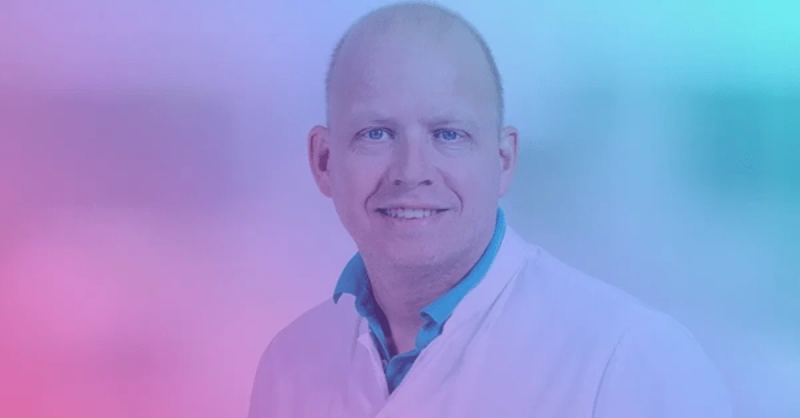
Moleculaire beeldvorming speelt een steeds belangrijkere rol in de ontwikkeling van geneesmiddelen. Door zichtbaar te maken waar een geneesmiddel in het lichaam terechtkomt, of het zijn doelwit bereikt en welke biologische respons het veroorzaakt, kan al in een vroege fase waardevolle informatie worden verkregen. Een nieuw toegekend project binnen de Shared Development Infrastructure-programmalijn van PharmaNL wil deze mogelijkheden verder versterken. Met IMAGING4DRUGS bouwt prof. dr. Rudolf Fehrmann van het UMCG, samen met partners, aan een geïntegreerde infrastructuur voor moleculaire beeldvorming die toegankelijk is voor academische en private partijen. Het project wordt uitgevoerd met steun van PharmaNL en mogelijk gemaakt door ZonMw.
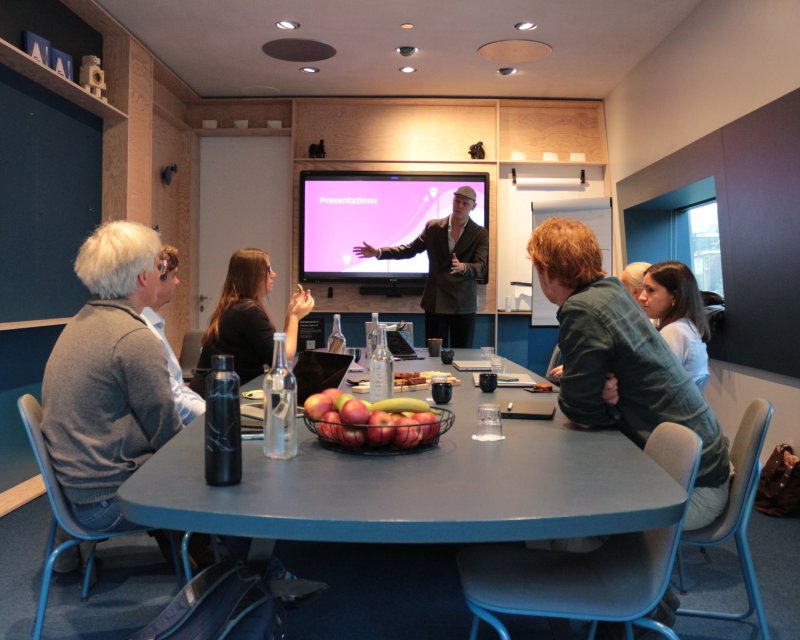
Vorige week zijn de deelnemers vol enthousiasme gestart met dit inspirerende programma. De komende zes maanden zullen ze zich bezighouden met het valideren van hun markt, het versterken van hun team en het ontwikkelen van een geïntegreerd ondernemingsplan.
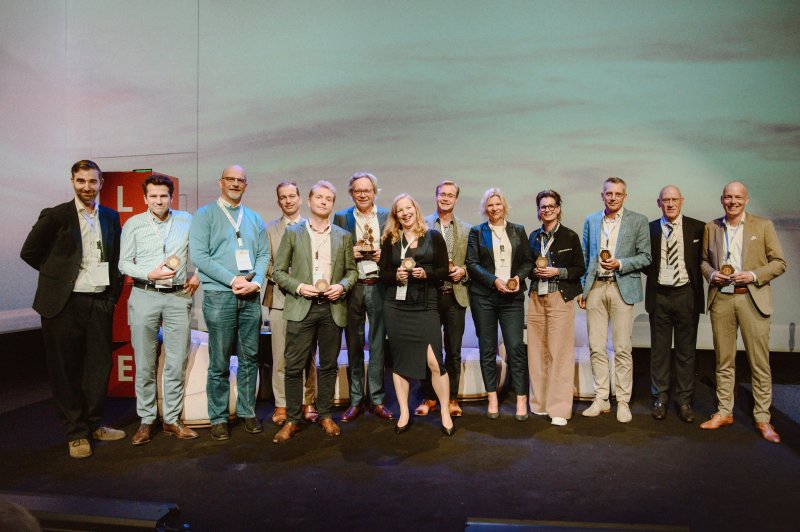
Al vele jaren zetten bestuurders en leden hun tijd, expertise en energie in om de LIFE Coöperatie en het ecosysteem op het gebied van levenswetenschappen en gezondheid in Noord-Nederland te versterken.