Vanuit het partnerschap met Hamburg is de Gemeente Groningen gevraagd om samen met onze regionale bedrijven deel te nemen aan een “Life Science Learning Expedition” van 3 tot 6 juni naar Occitanië (Zuid-Frankrijk). De regio Occitanië heeft zich ontwikkelt tot een vooruitstrevende speler op het gebied van Life Science.
Het doel van de reis is om onze kennis van de life science in de regio te verdiepen, marktkansen te onderzoeken en de samenwerking met Hamburg en haar partners verder te versterken richting de toekomst. Het programma wordt ontwikkeld en gefaciliteerd door de Behörde für Wirtschaft und Innovation Hamburg, de Cluster Life Science Nord Hamburg en het Zuid-Franse economische ontwikkelingsagentschap ADOCC.
Reis- en hotelkosten zijn voor rekening van de deelnemers. De verwachte kosten liggen tussen de €1.000,- en €1.500,- per persoon.
De gemeente Groningen kan ondersteuning bieden met advies in vlucht en hotel (waar de groep zal verblijven). Transport en programmakosten ter plekke worden gefaciliteerd door Hamburg en Groningen.
Het conceptprogramma en aanvullende informatie over de Health Care regio Occitanië is hier te vinden. Er zijn een beperkt aantal plaatsen beschikbaar, opgeven kan tot en met 26 april 2024 via een mail aan Andreas.Ensing@Groningen.nl.
Wanneer jullie in contact willen komen met life science bedrijven die niet in het programma zijn opgenomen, dan horen wij dit graag.
Wij zullen via onze partners de mogelijkheden onderzoeken of wij jullie met elkaar in contact kunnen brengen.
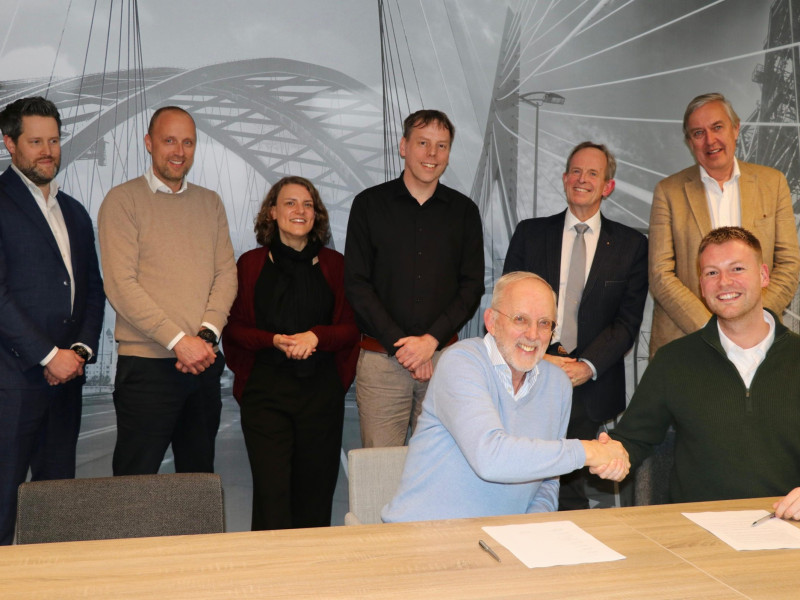
MimeCure heeft een investering van 3 miljoen euro binnengehaald voor de ontwikkeling van een regeneratief geneesmiddel voor de behandeling van chronische longziekten, zoals longfibrose. Dankzij deze financiering kan MimeCure de afronding van de preklinische fase versnellen en beginnen met de voorbereidingen voor klinische proeven, die volgens planning eind 2027 van start zullen gaan. De investeringsronde wordt geleid door Addington Investment Group en ondersteund door mede-investeerder Apsara Investments.
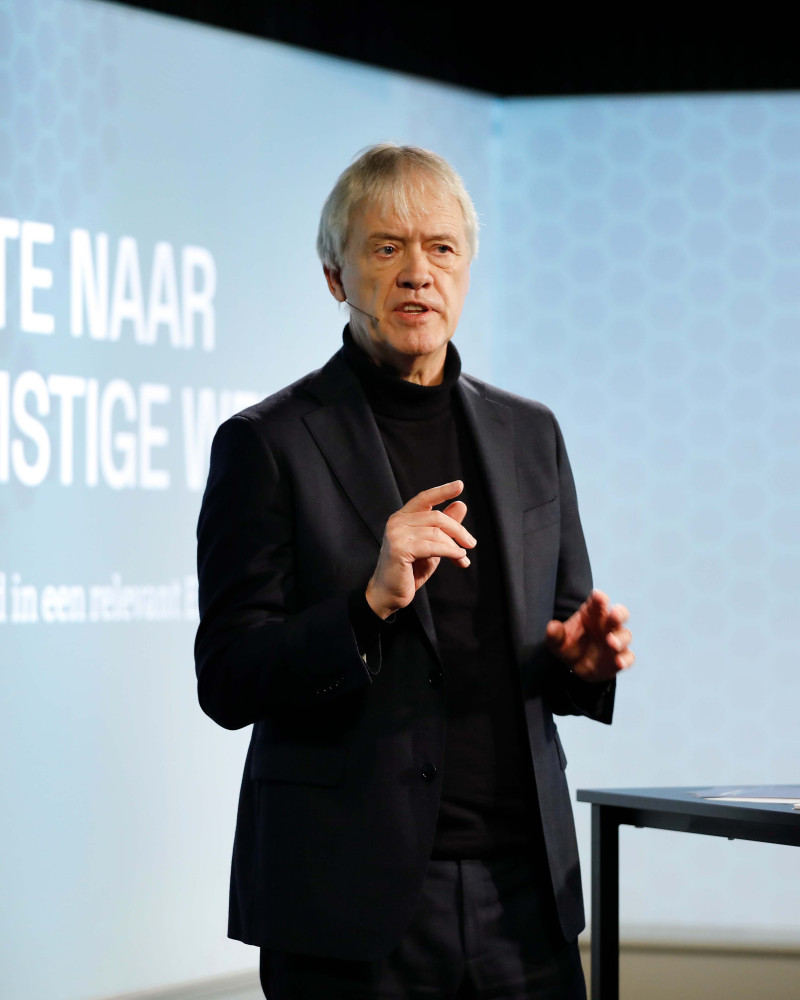
Van plannen maken naar resultaten boeken: dat staat centraal tijdens de vijfde LIFE Science Conference op dinsdag 22 september 2026 in Forum Groningen. De LIFE Cooperative brengt daar professionals, ondernemers, onderzoekers en beleidsmakers uit de life sciences- en healthsector samen rond één vraag: hoe vertalen we visie naar concrete impact? Keynote spreker is Peter Wennink, voormalig CEO van ASML en een van de meest invloedrijke bestuurders uit de Nederlandse technologiesector. In 2025 presenteerde hij het advies ‘De route naar toekomstige welvaart’, waarin hij pleit voor gerichte investeringen in innovatie en het verdienvermogen van Nederland.
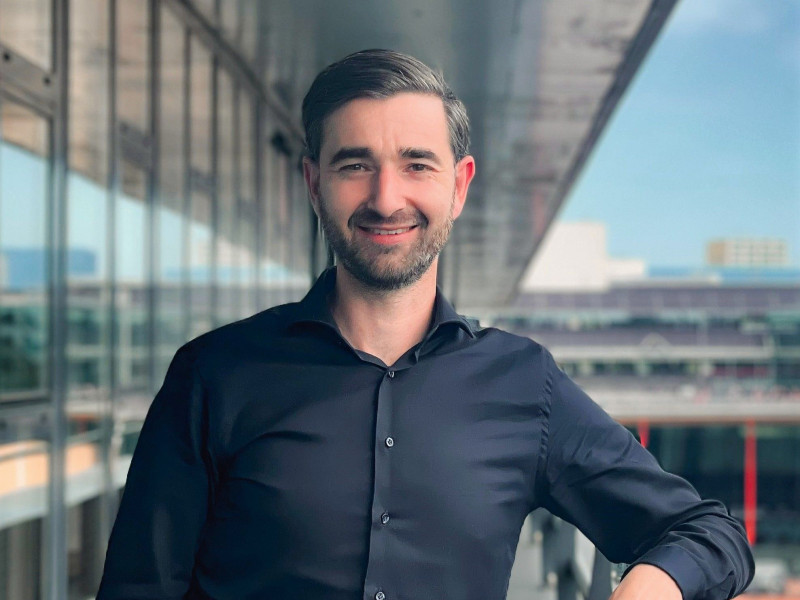
In het Noorden, en Groningen in het bijzonder, zitten tientallen bedrijven die zich bezighouden met innovaties op het gebied van life science en health. Veel pareltjes zitten erbij, zegt Ronald Hesse, directeur van samenwerkingsverband LIFE Cooperative. “Miljoenen patiënten wereldwijd hebben al kunnen profiteren van innovaties die hier in Groningen zijn ontwikkeld”, zegt hij.